

Fine Mesh Powder Screening
Follow this beat for news and updates from the field and real solutions to fine mesh powder screening and sieving challenges.
Follow this beat for news and updates from the field and real solutions to fine mesh powder screening and sieving challenges.
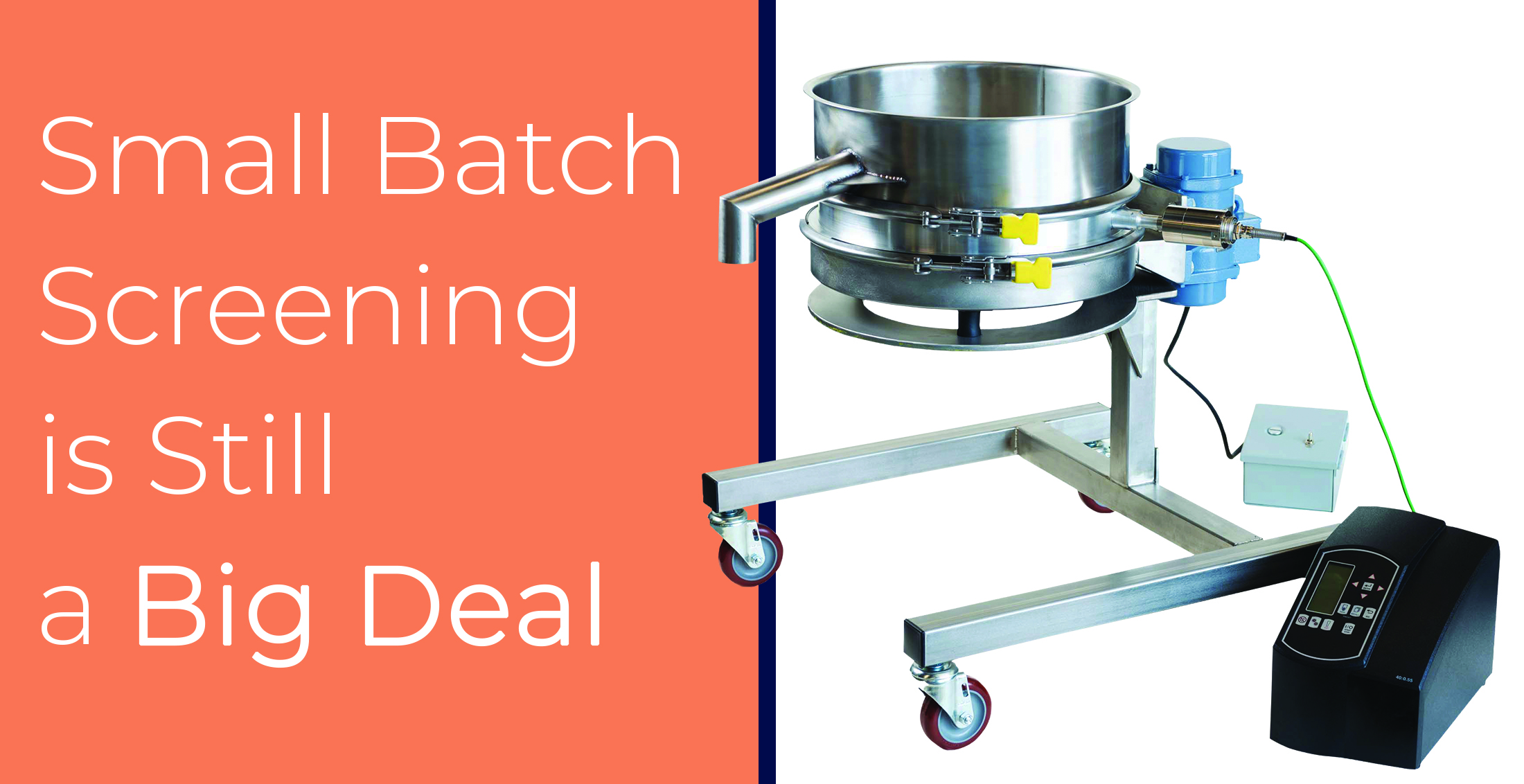

The typical customer who calls or emails with a process question has either hundreds of pounds per hour or tons of material per hour to screen. Although these may be the majority of the applications, I do get many inquiries where the customer only has to process maybe 20 or 30lbs/hr. (or less) but still needs a vibratory screener. These small-batch screening applications are sometimes a little more challenging to solve than the typical large-batch application. Some applications may require a much finer mesh, there’s not much room to work with, or the material is extremely valuable. Besides our standard screeners, we also have the capability to manufacture a special screener around the customer’s process. I don’t know how many times I have seen an overly large vibratory screener handling an application where a screener half the size would suffice.
So, we first need to determine how much material the customer plans on running through the screener per hour or per shift, then we need to determine the mesh size requirements. We need to answer two questions: Read More…


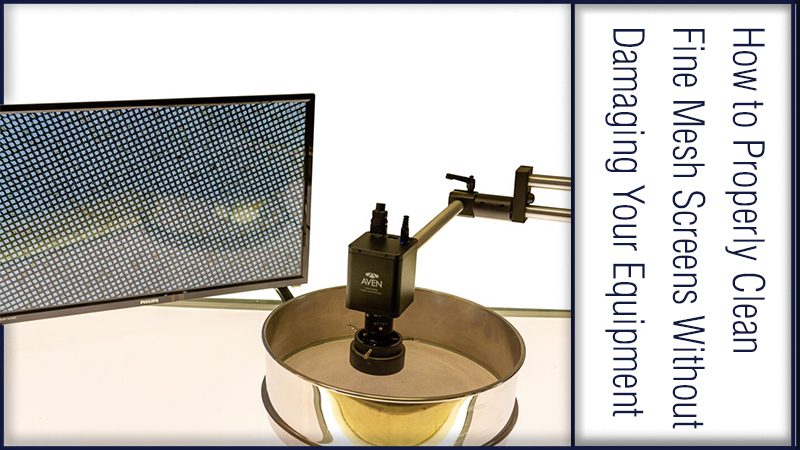
Over the years, I have read many articles about how to reduce fine mesh screen blinding on vibratory screeners. These solutions range from polyurethane balls to brushes. One of our most frequently asked questions is how to clean screens once they are blinded for fine mesh applications. Some customers simply throw out the blinded screens or send them back to our rescreening department for a new screen to be applied.
Read More…

During the process of manufacturing paints or other coatings, one of the steps involved is milling or grinding all of the dry ingredients into the liquid portion of the paint. These dry or solids consist of Titanium Dioxide (TIO2) pigments, binders, and various other powders. The liquid portion is mainly solvent or in the case of latex base – water. Once all of these dry ingredients have been thoroughly mixed (the proper term is dispersed) into the liquid base of the paint, the next step involves a high shear, high energy process called media milling.
In a nutshell, the paint is run through a chamber that has an enclosed horizontal shaft with discs or blades. The chamber is also filled with very small, spherical, grinding media. The media is made of different materials such as glass, steel, and ceramic media. Read More…
Share this blog post:

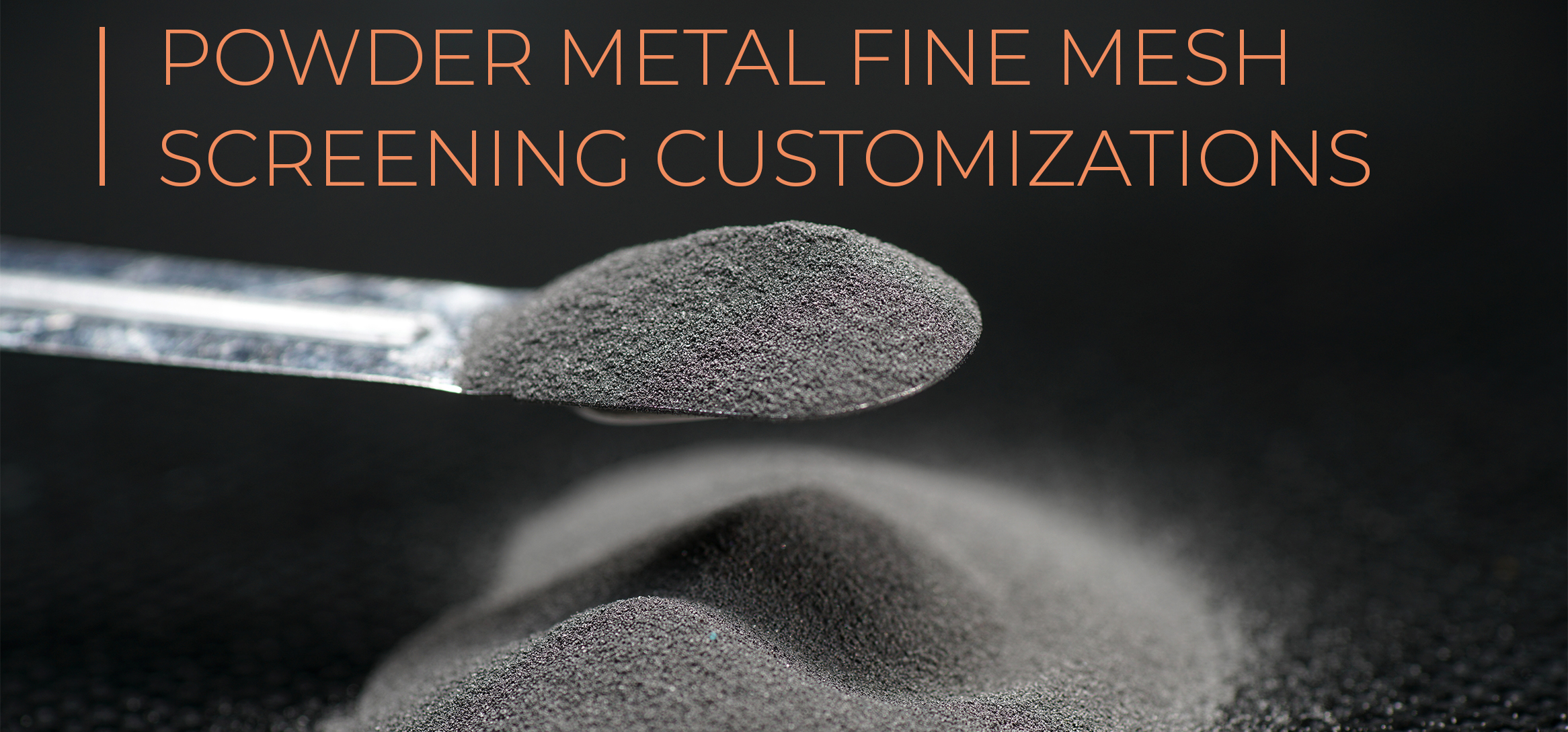
Here at HK Technologies, we have been sieving powder metal for quite some time. Our Ultrasonic Sieving Systems allow for sieving very fine atomized powders – down to 20 micron on conventional wire mesh and in some cases finer –using electroformed material provided by PrecisionForm, Inc. As the 3D printing industry has exploded, so has the need for finer powders. While I am no expert in the field of 3D printing, I have been involved in several areas requiring finer and finer mesh sieving.
Many of the 3D printing manufacturers install a very simple inline vibratory screener system in the powder feed system. These simple screeners typically sieve the powder through a 74 micron or 200 mesh screen. This ensures that no large foreign objects are being fed into the powder part building process. Many times the end-user needs finer powder to create the intricate parts they are producing. This powder is typically said to be +20 -25 micron powder. We are also told this powder is classified through an air classification process. The process, while quick and relatively easy, leaves a powder that is not always what it is claimed to be. When asked to check the accuracy of the particle size, we find there is almost always a significant amount, 10% or more, of finer material than claimed. Read More…
Share this blog post:

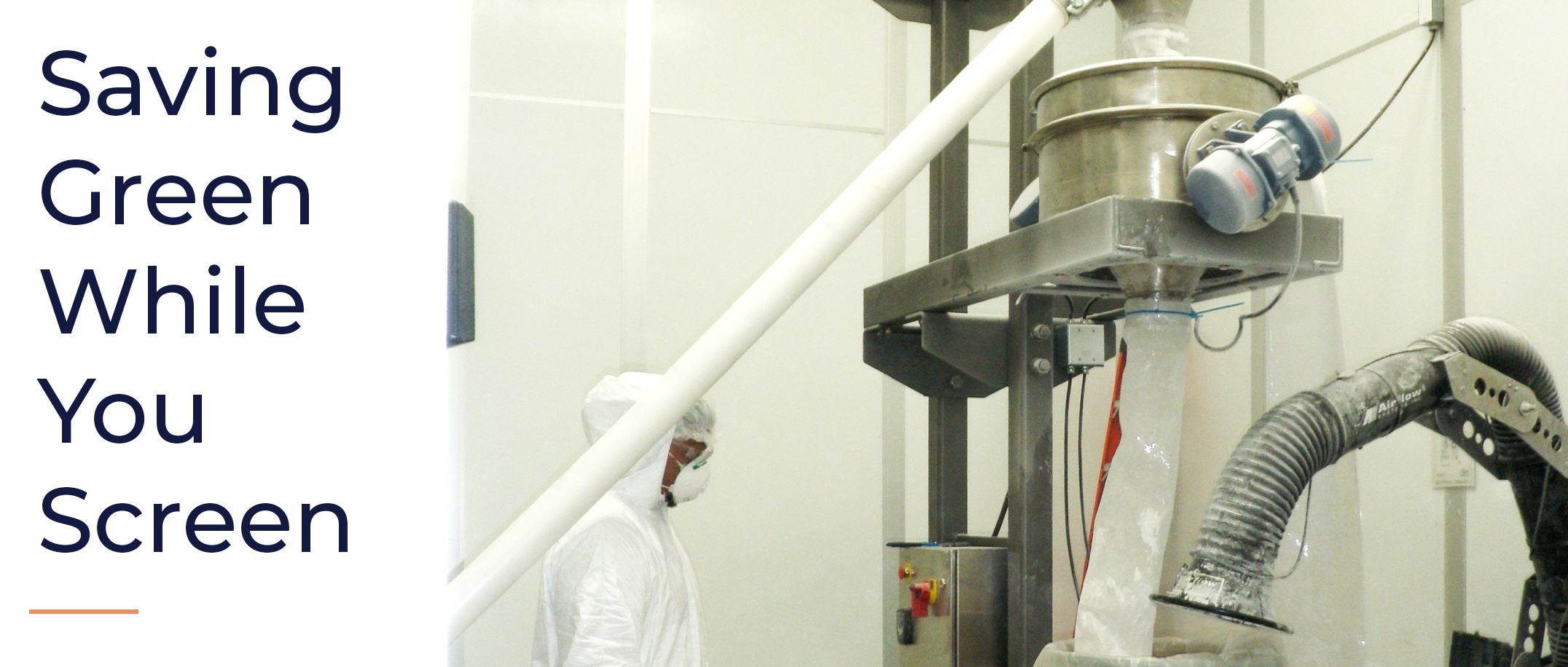
We know it’s a big deal when it comes to talking about “sticker price”, especially when it deals with expensive pieces of equipment, or rather process investments that will provide efficiency and give you the best final product possible. Customized pieces of equipment tend to fall under the larger price tags, but don’t be fooled, there are ways to provide the best equipment possible while keeping it in a reasonable price range. Cleveland Vibrator and HK Technologies take every unique application and gives you a solution to best fit your process, and sometimes that solution much simpler than what you thought it was going to be…
Although we have a complete line of screening equipment from small lab models in 3”, 8” and 12” diameters all the way up to 60” diameter screeners we still receive numerous calls from customers looking for customized screeners built around a piece of equipment or a specific process. While many of these applications can be challenging and downright difficult, our shop manager finds them all interesting and challenging. One of the more popular requests is what we call drum sifters or drum screeners. The screeners are simple screeners designed to fit on top of an existing container or a manway on a piece of process equipment. Typically, the customer is not looking to spend a lot of money and is just interested in a way to remove Read More…
Share this blog post:



“If you don’t have the time to do it right, when will you have the time to do it again?”
– John Wooden, former UCLA Men’s Basketball Coach and Presidential Medal of Freedom award winner.
We have a few frequently asked questions regarding bin vibrators, many of which revolve around how to install the unit. Here is the down and dirty:
Read More…
Mike joined The Cleveland Vibrator Company team in 2013 with prior experience in manufacturing sales with a Cleveland company in the tool and die industry. Now, he’s the Director of Sales and specializes in “making stuff that shakes stuff”.
When he’s not immersed in the world of industrial vibration, as rare as that might be, Mike keeps busy *not finishing in last place* in Fantasy Football and enjoys spending time with his wife and three kids. It’s always golf season for Mike, and he’s been known to 3 putt his way around any course and can roll tee balls in rain or shine. You can find him tailgating in the Muni Lot before Browns games or supporting local breweries.
As an avid provider of #VibrationEducation, he offers this free bit of advice, “Not all vibration is the same. Force and frequency do matter!” However, there is a 2% upcharge for all Michigan and Steeler’s fans.

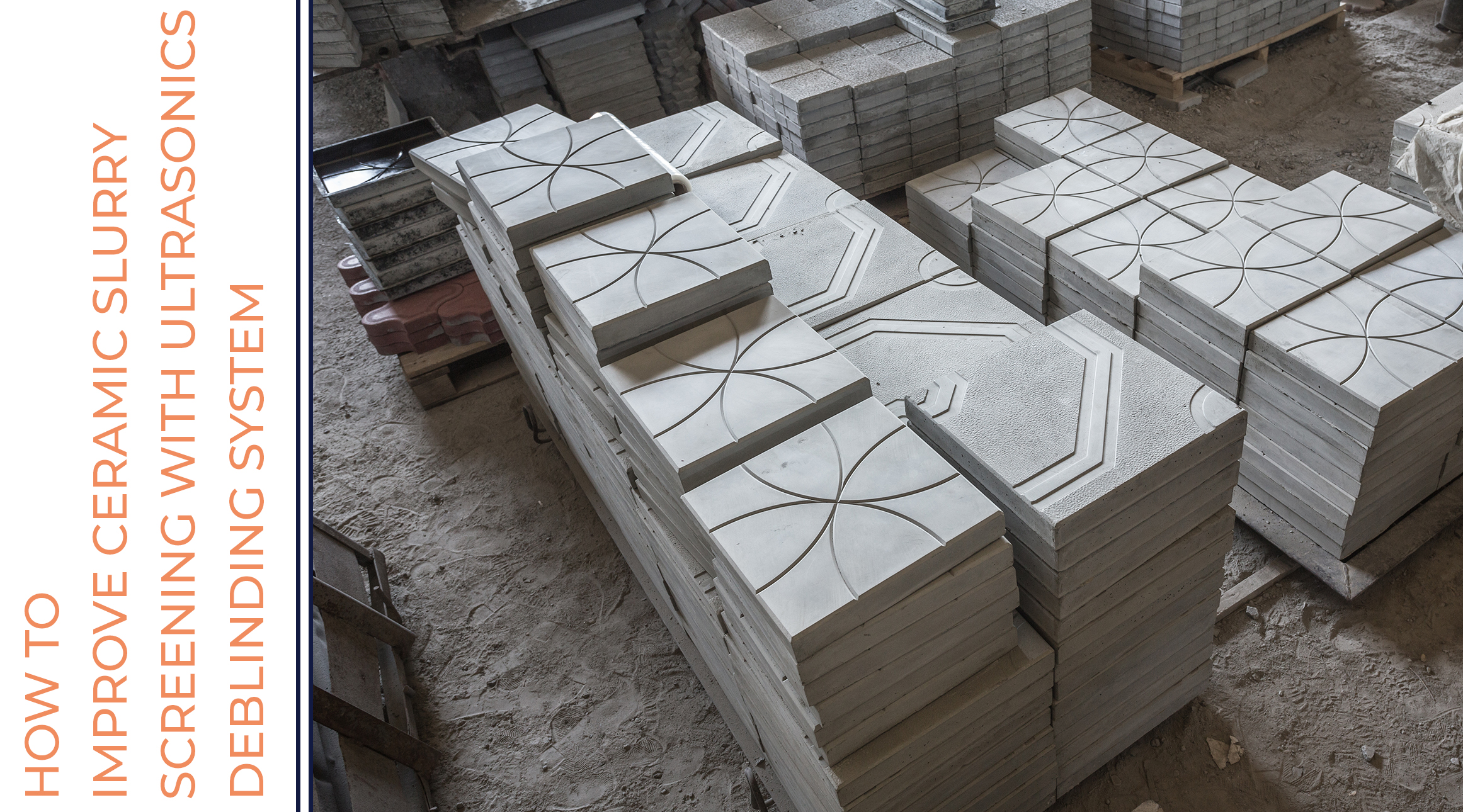
Liquid ceramic glaze or clay slurry materials are used in a variety of products and applications ranging from decorative and protective glazes to tile glaze or electrical porcelains. Typically this material starts with either Koalin clays or ceramic powders mixed with water or other liquids to form a slurry. Depending on the application this slurry will need to be screened to remove any agglomerates (powders that did not get dispersed during the mixing process). This is a very important step because, in many applications, this slurry or slip will eventually be applied to an exterior surface either as a decorative or possibly a protective coating. In either case, the coating needs to be free of any oversize agglomerates or debris allowing for an attractive smooth finish free of any pits or blemishes. The finer the screen or sieve used, the better or smoother the finish.
Depending on the application, screening can range from simply pouring the slip or slurry through a filter bag with a relatively coarse mesh to using vibratory screeners with finer mesh sizes – down to 120 mesh or maybe finer. This is where the difficulties begin. Read More…
Share this blog post:

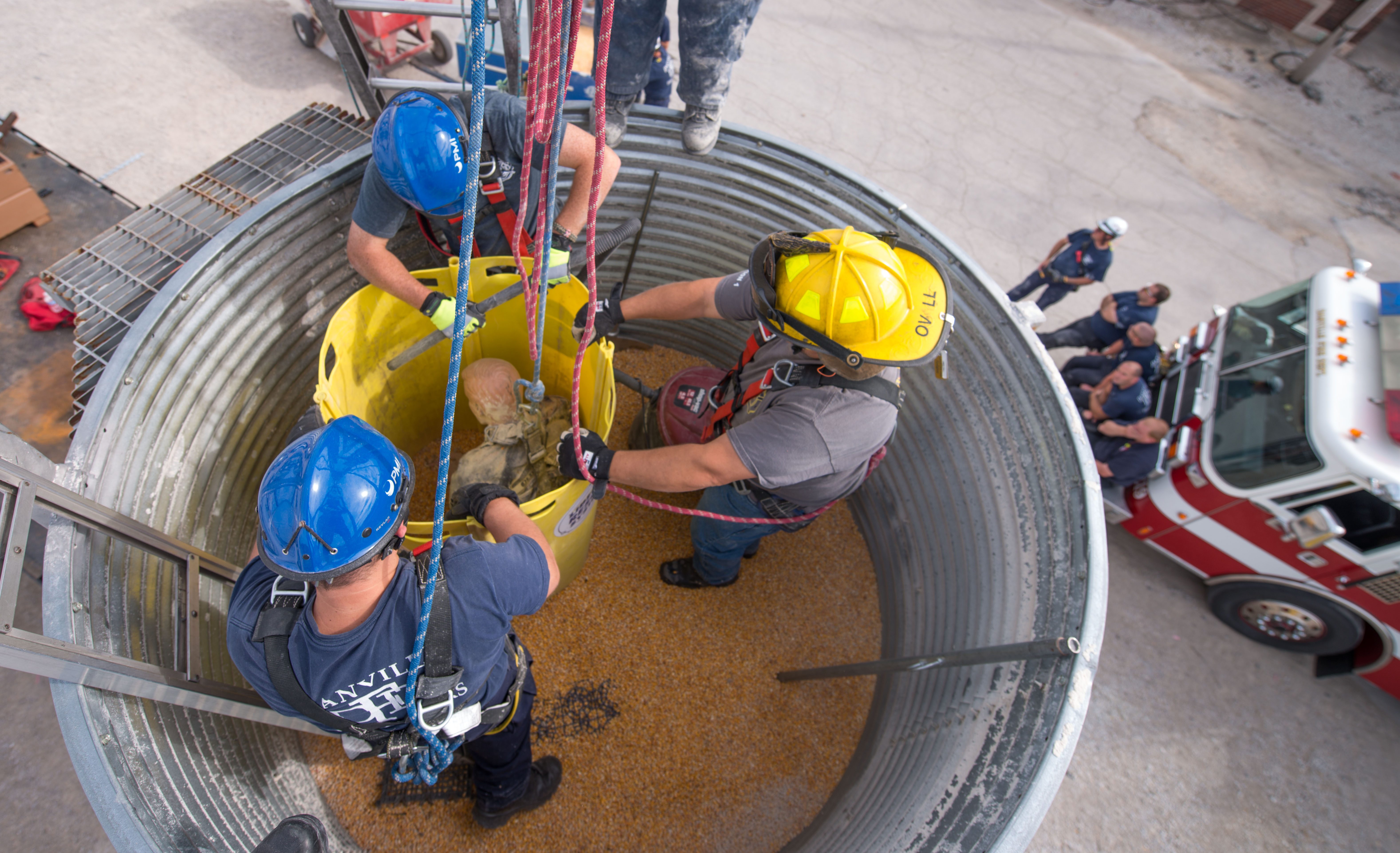

Did you know that the pressure of engulfing grain is so powerful, that it takes more than 1,500 pounds of force to free a body submerged under less than two feet of grain?
I must admit that although Cleveland Vibrator has supplied Industrial Vibrators and Equipment to the grain and feed industry for many decades, I was not aware until I took the Asmark Safety Course how many folks are trapped, injured or killed inside grain silos and feed mills. A lot of the grain safety training applies to just about all industries and mirrors the manufacturing industry, which I have worked in and been associated for over 45 years. Two major things I picked up from this training were:
Share this blog post:


Powder coaters know the importance of utilizing a powder coating that is free from any contaminants or oversize particles. This would include the end-user and the powder coating manufacturer. Typical powder coating applications can leave up to 20% of the original powder either to be recycled or swept up and thrown out in the trash. Depending on the application this can be like throwing money out with the garbage.
Over the years we have built numerous vibratory check screeners for the powder coating end user who is interested in reclaiming the excess powder left over from a product run. Typically powder coatings are sieved in the 80-120 mesh range by the manufacturer. This mesh range is dependent on the type of powder and application where the powder is applied. When a customer approaches me with an application involving powder coating reclaim, I first inquire about his application. Is the finish a high-quality finish or coating possibly for a protective value? Secondly, is this a continuous or batch operation? This helps in determining the proper mesh size. High-quality finishes require a finer mesh size while other finishes may require a coarser screen. Both will remove the contaminants inquiries range from reclaiming powder swept up from the bottom of paint booths, while also protecting applicator spray guns from blockage. Read More…
Share this blog post:

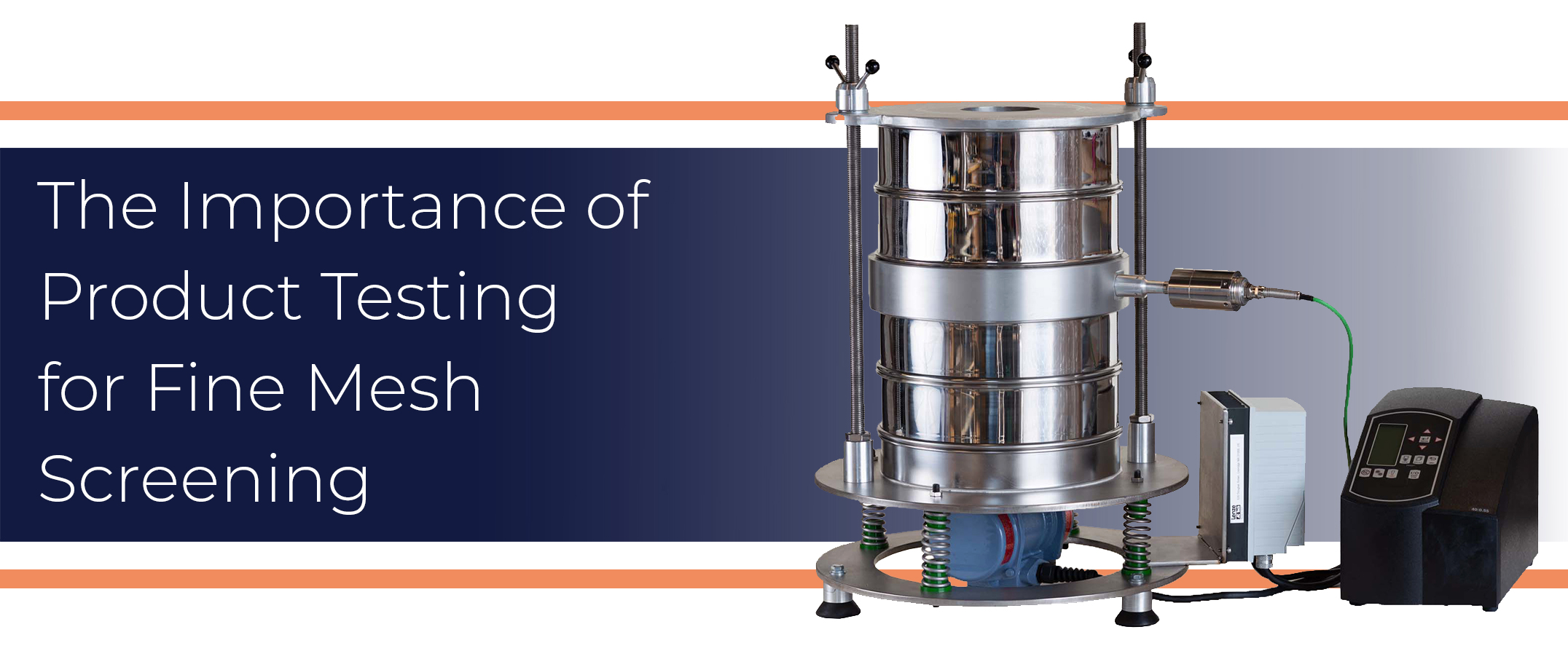
Many times a potential customer will call our office or email asking for a quote and delivery on a specific type of equipment. Our standard response involves asking the customer a series of questions ranging from what the product is, estimated throughput rates, percentage of plus and minus screen size, and others. We typically also ask for an application data sheet to be filled out. All this helps remove the guesswork out of equipment sizing. Sometimes the customer thinks he knows what is required based on past experience or what someone else has told him he needs. While many times these assumptions may be correct, we want to make sure what we sell the customer will ultimately meet or exceed their expectations. While filling out forms and asking questions definitely assists in proper screener selection, I have found asking for a sample of the product for in house testing eliminates all the guesswork out of the equipment selection process. If time permits and the customer requires we can also send out a demonstration model for a short in-house testing period.
Running tests on a sample or sending out a demonstration model will ultimately remove all the guesswork out of equipment selection. Read More…
Share this blog post:
