Industrial Vibration Industry Watch

Avatar

Industrial Vibrator Installation & Troubleshooting FAQs 

By CVC Team

Vibratory tables are used to settle, compact, densify and de-air materials and can also be incorporated into production, packaging, weighing and testing processes. 

Cleveland Vibrator offers flat-deck, low-profile, grid-top, weigh, belt conveyor and foundry shakeout table configurations, with custom designs available for a wide range of container sizes, materials and load requirements. 

Read to Learn More: Vibratory Tables 

What does a vibratory table do? 

A vibratory table transfers controlled vibration into a container, mold, product or bulk material. Depending on the process, vibration can settle loose product, remove trapped air, increase bulk density, consolidate material in a mold or perform testing. 

Common applications include packaging, bulk-material compaction, concrete and refractory consolidation, foundry processes and quality testing. 

Read to Learn MoreVibratory Tables 

What materials can be compacted on a vibratory table? 

A broad range of materials can respond to vibration, including foundry sand, powdered materials, ceramic mixes, concrete, refractories and packaged products. 

The important question is not simply whether a material can be vibrated, but what combination of frequency, force and stroke produces the desired result. 

Read to Learn MoreStroke, Frequency and Force: Keys to Vibratory Compaction 

How do I choose the right vibratory table? 

Start with the process. 

Consider the dimensions and weight of the item being vibrated, material characteristics, desired amount of compaction, available floor space, loading/unloading method, conveyor integration, weighing requirements, controls and required vibration characteristics. 

Those requirements help determine whether the best solution is a flat-deck, grid-top, belt, weigh or other specialized table. 

Read to Learn MoreVibratory Tables 

What is a flat-deck vibratory table? 

A flat-deck table provides a solid vibrating surface on which a container, mold or product is placed. 

It is a versatile configuration for production, packaging, testing and material compaction and is often appropriate when the load can be placed directly onto and removed from the table deck. 

Read to Learn MoreVibratory Tables 

What is a grid-top vibratory table? 

A grid-top table is designed to integrate with roller conveyor systems. 

At the vibration station, the grid rises through or above the rollers, lifts the container off the conveyor, vibrates it and then lowers it back onto the rollers so it can continue through the production line. 

Read to Learn MoreGrid Top Vibratory Table 

What is a vibratory weigh table? 

A vibratory weigh table combines settling or compaction with weighing. 

Grid-top weigh tables can incorporate digital scale instrumentation and set points to coordinate filling, weighing and vibration, allowing the station to become part of an automated or semi-automated packaging line. 

Read to Learn MoreGrid Top Vibratory Weigh Table 

What is a vibratory belt table? 

A vibratory belt table combines vibration with conveyor movement so material can be settled inside a container while that container moves toward the next packaging operation. 

This can be useful where compaction needs to fit into a continuous production or packaging process rather than operating as a separate manual station. 

Read to Learn MoreVibratory Tables 

How much can vibration compact my material? 

The percentage of compaction varies significantly by material. Particle size, particle shape, bulk density, moisture, initial aeration and vibration parameters all affect the result. 

Instead of relying on a universal compaction percentage, testing a representative sample can determine how the material responds and estimate achievable compaction. 

Read to Learn MoreStroke, Frequency and Force: Keys to Vibratory Compaction 

How long should material be vibrated? 

There is no universal time. Many materials achieve most useful compaction relatively quickly, and continuing to add vibration after the material has settled may provide little benefit. 

Testing is the best way to determine the point at which additional vibration stops providing meaningful compaction. 

Read to Learn MoreVibratory Table Compaction Conundrum 

Can you over-vibrate a material? 

Yes. More vibration does not necessarily create more compaction. 

With an unsuitable combination of force and frequency, some materials can begin to aerate or fluidize instead of densifying. The objective is to identify the vibration conditions that reach maximum useful compaction efficiently. 

Read to Learn MoreStroke, Frequency and Force: Keys to Vibratory Compaction 

What frequency is best for vibratory compaction? 

It depends on the material. Material characteristics determine the appropriate combination of frequency, force and stroke. 

Heavier or fine materials may respond differently from light or coarse materials. Actual testing is valuable for difficult or high-value applications. 

Read to Learn MoreStroke, Frequency and Force: Keys to Vibratory Compaction 

Can a vibratory table help fit more material into a container? 

Yes. Settling an aerated bulk material can reduce its volume, allowing more product to fit into a drum, box, bulk bag or other container. 

The economic benefit can include improved use of container capacity and reduced packaging or shipping requirements, depending on the material and process. 

Read to Learn MoreBulk Bag / Box Filler Densification 

Can a vibratory table be used for concrete? 

Yes. Vibratory tables can help remove air and voids and consolidate poured concrete in molds. 

The appropriate vibration characteristics depend on the mix, mold, load and desired finished-product characteristics. 

Read to Learn MoreVibratory Tables 

Can a vibratory table be used for refractory materials? 

Yes. Refractory consolidation is a common vibratory-table application. 

Vibration can assist with de-airing and settling castable refractory material into molds. Because mixes differ significantly, material testing can be valuable when specifying the vibration system. 

Read to Learn MoreVibratory Table Applications 

How much weight can a vibratory table handle? 

Capacity depends on the table design. Cleveland Vibrator has experience designing compaction tables for both small loads and very heavy industrial loads. 

Table construction, deck dimensions, isolation system and vibratory drive are selected around the actual load and process. 

Read to Learn MoreVibratory Tables 

Can a vibratory table be built to custom dimensions? 

Yes. Table designs can be customized around the customer’s product, container, available space and manufacturing process rather than forcing every application into one standard deck size. 

Read to Learn MoreVibratory Compaction Table Design Options 


Share this blog post:
FacebooktwitterlinkedinmailFacebooktwitterlinkedinmail
Avatar

Industrial Vibrator Selection & Sizing FAQs 

By CVC Team

Selecting an industrial vibrator involves more than finding a model with enough force. The right solution depends on what you are trying to accomplish, the material being handled, the size and construction of the vessel or equipment, the available power source and the way vibration needs to interact with the material. 

Cleveland Vibrator uses a selection process that considers the number of vibrators required, the force required and the most appropriate vibrator type. Vessel geometry, material characteristics, wall thickness, operating environment and the specific material-flow problem all play a role in the final selection. 

Read to Learn More: Industrial Vibrator Selection Guide 

How do I choose the right industrial vibrator? 

Start with the application rather than the vibrator. Determine what you need vibration to accomplish: promote bulk material flow, eliminate bridging or ratholing, clean material from vessel walls, compact material, feed product or address a localized material hang-up. 

Next, consider vessel geometry, material characteristics, required force and frequency, wall thickness, operating environment and available power. Those factors narrow the selection to the appropriate vibrator type and size. 

Read to Learn MoreIndustrial Vibrator Selection Guide 

What information is needed to size an industrial vibrator? 

For a bin, hopper, chute or pipe application, useful information includes: 

  • Vessel dimensions and shape 
  • Hopper or wall thickness 
  • Material being handled 
  • Material bulk density 
  • Whether the material is dry, sticky, cohesive or prone to packing 
  • The location and nature of the material-flow problem 
  • Whether the objective is bulk flow or final cleanout 
  • Available electrical power or compressed air 
  • Operating environment and hazardous-area requirements 
  • Current mounting arrangement, if one exists 

Read to Learn MoreIndustrial Vibrator Selection Guide 

How much vibratory force do I need? 

Required force depends on the application and the amount of material or structure that must be influenced. For bin and hopper flow applications, the sizing process considers vessel geometry and the portion of the material load relevant to the application. 

Force should not simply be maximized. Excessive force can waste energy, create unnecessary stress on the structure and produce poor process results. Correct sizing means applying the appropriate amount of energy for the job. 

Read to Learn More: Sizing and Selecting Air Piston Vibrators 

Can an industrial vibrator be too powerful? 

Yes. More force is not automatically better. 

An oversized vibrator can introduce more vibration than the structure or process requires. In compaction applications, excessive energy can even aerate or fluidize certain materials rather than compacting them efficiently. In bin and hopper applications, correct vibrator sizing and mounting are important for effective material flow and equipment life. 

Read to Learn MoreStroke, Frequency and Force: Keys to Vibratory Compaction 

How many vibrators do I need on a bin or hopper? 

The number of vibrators depends primarily on the size and geometry of the vessel and where vibration must be transferred. A properly sized vibrator has a finite area of influence, so larger vessels may require multiple smaller vibrators instead of one oversized unit. 

Multiple vibrators can distribute vibration more effectively across the problem area while avoiding excessive force concentrated at one mounting location. 

Read to Learn MoreIndustrial Vibrator Selection Guide 

What is the difference between vibration force and frequency? 

Force is the amount of vibratory energy being applied. Frequency is how often the vibration occurs, typically expressed as vibrations per minute, or VPM. 

The correct combination matters. Different materials respond differently to frequency, force and the resulting stroke or displacement. 

Read to Learn More: Stroke, Frequency and Force: Keys to Vibratory Compaction 

What is vibration amplitude or stroke? 

Stroke is the displacement or distance of the vibrating movement. It is influenced by the relationship between vibration frequency and force. 

Higher-frequency vibration typically produces a smaller stroke, while lower-frequency vibration can produce a larger displacement. The best combination depends on the material and what the vibration is intended to accomplish. 

Read to Learn MoreStroke, Frequency and Force: Keys to Vibratory Compaction 

Does higher vibration frequency mean better material flow? 

Not necessarily. The best frequency depends on the material and application. 

Fine, dense materials may react differently from lightweight, coarse or cohesive materials. Increasing frequency without understanding the material response may not improve flow and can sometimes create an undesirable result. 

Read to Learn MoreStroke, Frequency and Force: Keys to Vibratory Compaction 

Should I use a pneumatic or electric industrial vibrator? 

Both can be effective. The best choice depends on your facility and application. 

Pneumatic vibrators are available in several operating principles, including piston, turbine and ball designs, and are useful where compressed air is readily available or where a particular impact or linear vibration characteristic is desirable. Electric options include rotary electric, DC and electromagnetic vibrators and can be attractive where electrical power is more convenient than compressed air. 

Read to Learn MoreIndustrial Vibrators 

What type of vibrator is best for sticky material? 

For bin and hopper applications involving cohesive or sticky material, an impacting vibrator may be appropriate because the impact can help break material loose from the vessel wall. 

A single-impact air knocker may also be considered when the problem is concentrated in a particular area or when final cleanout is the objective. 

Read to Learn MoreSizing and Selecting Air Piston Vibrators 

What type of vibrator is best for dry, free-flowing material? 

Dry material may respond well to non-impacting vibration. Non-impacting piston designs are commonly considered for bulk flow of dry materials such as grain and dried aggregates. 

The final selection still depends on vessel geometry, required force, wall construction and available utilities. 

Read to Learn MoreSizing and Selecting Air Piston Vibrators 

Does hopper wall thickness affect vibrator sizing? 

Yes. Wall thickness affects how vibration is transferred into the structure and is one of the variables considered when sizing a bin or hopper vibrator. 

If the vessel wall is too light for the required vibrator force, reinforcement or a properly designed mounting arrangement may be necessary. If the wall is substantially heavier, more vibratory force may be required to effectively transmit vibration. 

Read to Learn MoreSizing an Industrial Vibrator on a Bulk Barge Hopper 

Can I use one large vibrator instead of several smaller vibrators? 

Sometimes, but it is not always the best approach. On larger vessels, several correctly sized vibrators can distribute energy to multiple areas more effectively than concentrating a large amount of force in one location. 

The goal is effective coverage of the problem area without unnecessarily concentrating force. 

Read to Learn MoreSizing an Industrial Vibrator on a Bulk Barge Hopper 


Share this blog post:

FacebooktwitterlinkedinmailFacebooktwitterlinkedinmail
Avatar

How To Choose Quality And Effective DC Vibrators For Your Salt Spreader

By Zach Church

As winter approaches, taking time to ensure that salt spreader you have on your truck is optimized to its fullest potential is essential to making quick work of the snow and ice heading your way. Whether you’re a seasoned pro or perhaps a first-time user, choosing the correct DC truck vibrator can make a huge difference in the performance of your equipment. 

Here are five important things to keep in mind: 

  1. KNOW YOUR HOPPER SIZE 

Begin by checking the size of your spreader hopper. Cleveland Vibrator’s line of DC truck vibrators come in several sizes so it’s important to select the one that best fits your needs. The MG-80 and its 80 pounds of vibratory force is a perfect choice for smaller tailgate spreaders. However, if you have a larger, slide-in V-Box spreader, you would be wise to opt for a heavy-duty solution like the MG-200 which boasts 200 pounds of force. In some V-Box applications when even more vibratory force is needed, one option is to mount two vibrators – one on each side of the spreader. 

PRO TIP: Product stickers and powder coating don’t mix well with harsh winter conditions so keep a written copy of the make/model of your spreader as well as the make/model of your truck vibrator handy so you can access that information easily in case you need to reference it later. 

  1. INSTALLATION MATTERS 

Proper installation is key to ensuring that your vibrator continues to function optimally. It’s always a good idea to keep the following things in mind when purchasing and installing a truck vibrator:  

  1. Use a steel backing plate to mount your vibrator. Not only will it extend the life of your spreader, but your actual vibrator will also last much longer.  
  1. When uninstalling an older vibrator from your hopper, be sure to inspect the area around the bolt holes to make sure the plastic isn’t cracked.   
  1. Although you want to make sure your mounting bolts are tight, be careful not to overtighten (See No. 2 above). A snug fit will help prevent wear and tear on your hopper. 

Installation is a good time to check anything/everything that might be happening behind the scenes on your hopper. When left unchecked, those little things can turn into big problems down the road. For more helpful installation steps and tips, click here for our handy vibrator instruction manual.  

  1. MAINTENANCE TIPS FOR LONGEVITY 

Extend the life of your vibrator by following these maintenance best practices: 

  • Avoid carrying the vibrator by the cable. 
  • Leave slack in the cable during mounting. 
  • Be cautious when pressure washing the hopper, avoiding direct water pressure on the vibrator. 
  • Handle the spreader with care, considering the presence of the vibrator during unloading. 
  • Tighten bolts securely to ensure the vibrator can perform its job effectively. 
  • Check the duty cycle in the vibrator’s manual to prevent prolonged operation. 
  • Make sure the vibrator has proper ventilation. Overheating a vibrator can cause internal motor component failure. 
  1. REACH OUT FOR ASSISTANCE 

When it’s time to replace your DC truck vibrator, it’s easy (and tempting) to simply copy and paste your previous order. But making sure you have the right equipment is critical and it never hurts to get a second opinion. If you find yourself in doubt about your selection – or if you have general questions about your unique needs, don’t hesitate to contact a member of our sales team. They’re available from 8 am to 5 pm Monday through Friday and can be reached by phone, email, or via a handy chat feature on our website. Simply provide your spreader model number and someone from our team will guide you toward the ideal solution for your needs. 

  1. WINTER DOESN’T LAST FOREVER 

Even though it’s hard to believe sometimes, winter won’t last forever and the good news is that Cleveland Vibrator’s line of DC truck vibrators aren’t exclusive to winter applications. If your company also handles any type of landscape work in warmer months, that same hopper is often used with grass seed, fertilizer, and other materials. And the same type of moisture issues that can wreak havoc on your ability to smoothly spread salt or ice melt can also severely limit your ability to smoothly spread those items.  

Beyond those areas, our expansive line of vibratory motors and equipment are utilized in mining, recycling, concrete and aggregates, food and pharmaceuticals, plastics, powders, foundry operations, and many others. You can explore their versatility and see photographs of them being used in real-life applications in the extensive application gallery found on our website.  The benefits of using vibration in manufacturing operations is endless – and well documented.  

In conclusion, selecting the right DC truck vibrator for your salt spreader is a straightforward yet essential task. By considering hopper size, following proper installation procedures, and adhering to good maintenance practices, you’ll ensure your equipment performs at its best when you need it the most. Choose wisely, operate carefully, and tackle the season with confidence. 

If you have any questions or need additional assistance, we’re always just a message or phone call away. 


Share this blog post:

FacebooktwitterlinkedinmailFacebooktwitterlinkedinmail
Mike Stratis

MG Electric Truck & Trailer Vibrator: How To Quickly & Safely Unload Material

By Mike Stratis

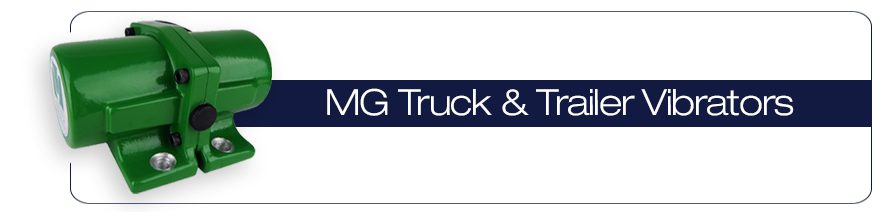
If you are in the truck and trailer industry servicing dry bulk materials, you know how much of a headache unloading materials like grain products, DDG, aggregates, and road salt can be when it sticks to the inside of your end dump or hopper bottom trailer. So, to ease the stress of these material flow problems, The Cleveland Vibrator Company introduced our 12 VDC electric-powered vibrators, the MG Truck and Trailer Vibrators, which are designed to handle tough material flow challenges and eliminate sticking material for any load size.

DC Vibrator, MG Vibrator, Truck and Trailer, Truck and Trailer Vibrator, Trailer Vibrator, Electric Vibrator, electric vibrating motor
Read More…
Share this blog post:
FacebooktwitterlinkedinmailFacebooktwitterlinkedinmail
Craig Macklin

Introducing Fastfeed Corporation: How Can Automation Solve Part Handling Problems and Save Money?

By Craig Macklin

When I was young(er), I remember hearing that robots would replace everyone’s jobs.  Almost immediately I thought:

It seems like a good job will be building robots.

Who is Fastfeed Corporation?

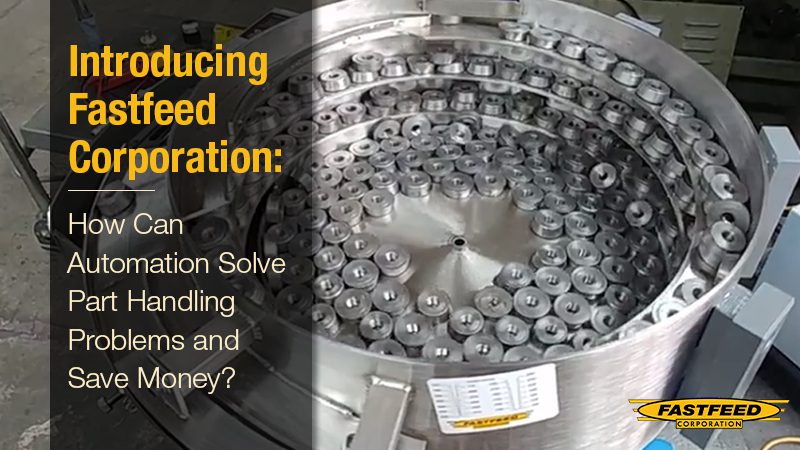
Due to The Cleveland Vibrator Company’s recent acquisition of Fastfeed Corporation, I am proud to realize that childhood dream! Fastfeed Corporation is a manufacturer of unique automation systems for high volume and high-speed applications in assembly, sorting, and packaging. Coming at a time when the unemployment rate in the U.S.A. is at ~4%, it is critical to high volume manufacturers to eliminate reliance on humans to handle repetitive functions on production lines.

That’s where the automation offered by Fastfeed comes into play. As a result of streamlining applications in assembly lines, sorting lines, and packaging stations, opportunities for automation can be easily identified and achieved.

Read More…
Share this blog post:
FacebooktwitterlinkedinmailFacebooktwitterlinkedinmail
Mike Stratis

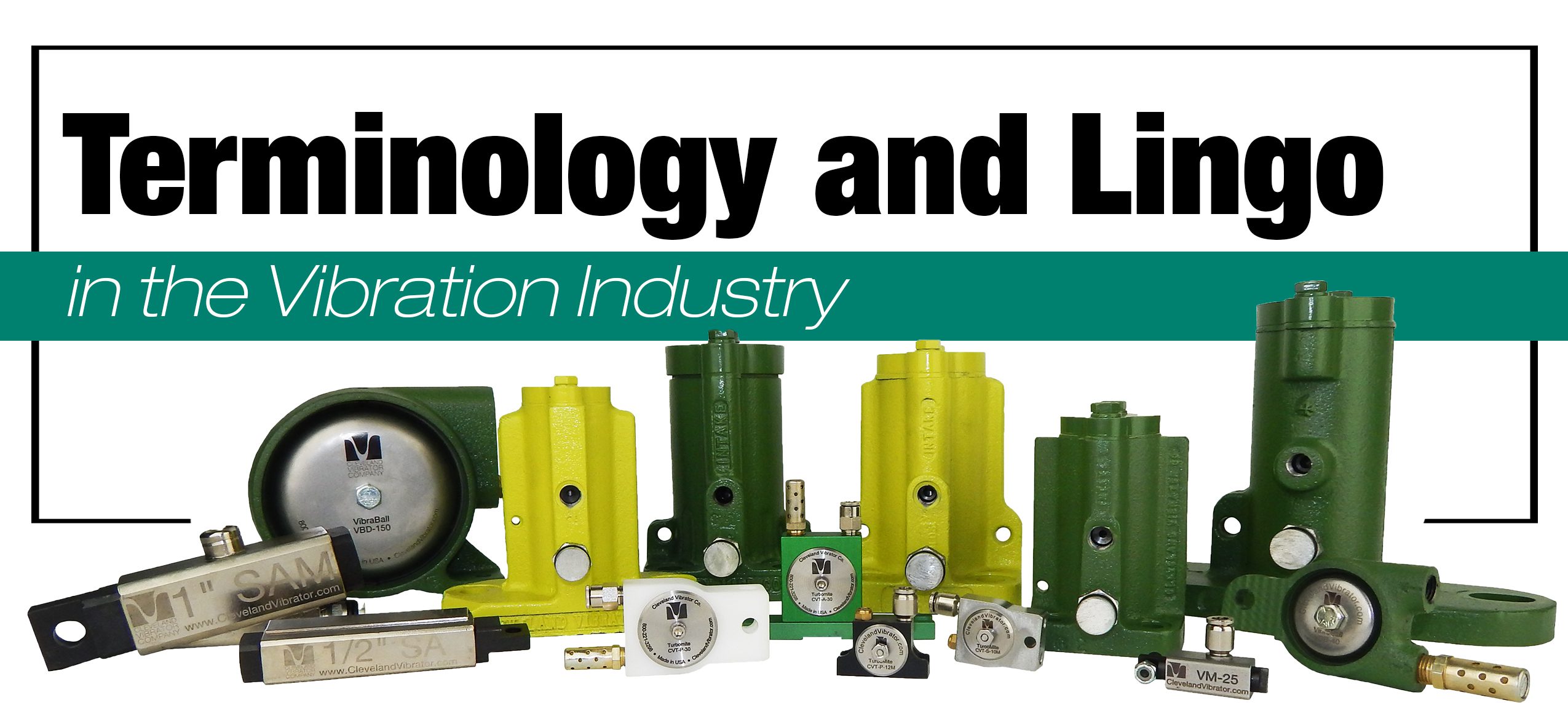
Does Industrial Vibrator Jargon Get You Down? The Vibration Experts Got You Covered!

By Mike Stratis

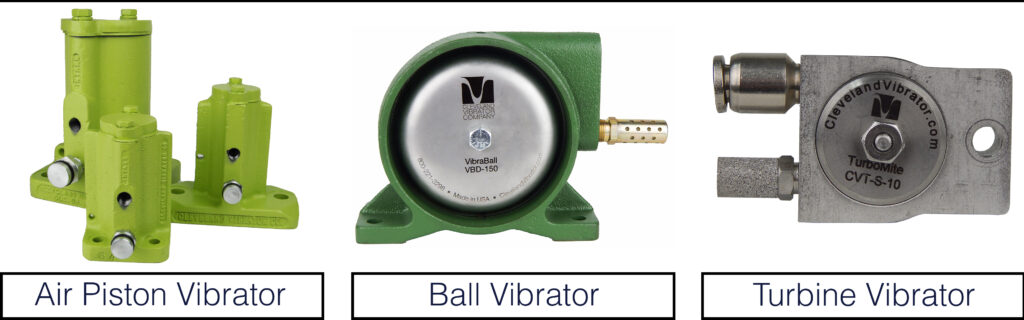
When it comes to terminology and lingo within the vibration industry, many times there are multiple names for the same piece of equipment. We will review what those are and explain what they mean.

Bin or hopper vibrators have many subcategories of vibrator types, just within this single product line itself. Let’s break it down.

Figure 1

Air vibrator or pneumatic vibrators can be the following:

  • Piston type
  • Ball type
  • Turbine type
Read More…
Share this blog post:
FacebooktwitterlinkedinmailFacebooktwitterlinkedinmail
Steve Chinn

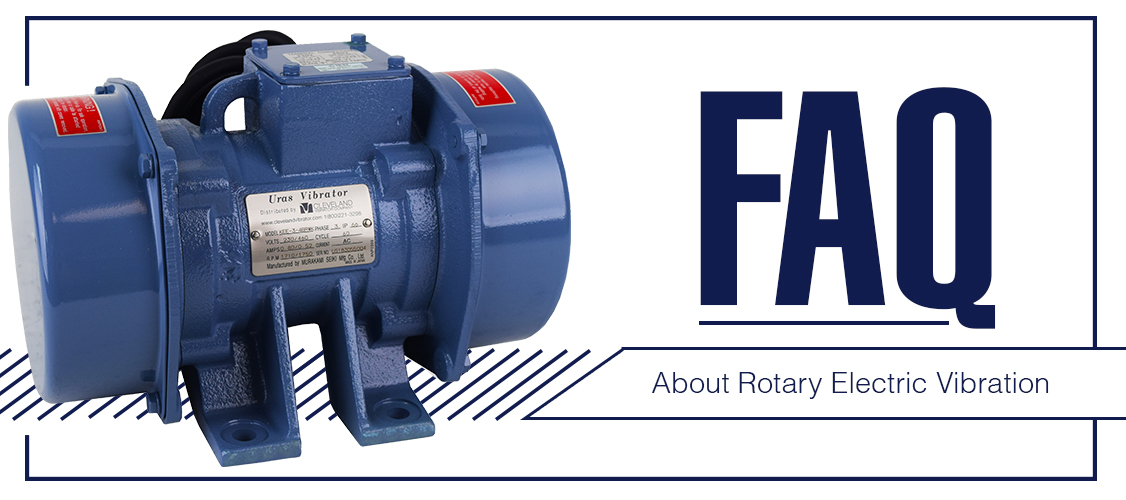
Frequently Asked Questions About Rotary Electric Vibration

By Steve Chinn

In 1923, The Cleveland Vibrator Company began its journey in the exciting world of industrial vibration, specifically the use of pneumatic powered options for foundry applications. As we ventured into other industries, we noticed a new trend: the demand for electric-powered motors.

Soon after, we decided it was time to explore this exciting new opportunity and set out to find a partner specializing in electric-powered vibration. We eventually partnered with an outside company to supply this demand from our customer base. As with any new venture, we experienced a few hiccups along the way; lead times were too long, insufficient force options available, and the lack of “Cleveland Vibrator Quality” our customers came to expect.

Read More…
Share this blog post:
FacebooktwitterlinkedinmailFacebooktwitterlinkedinmail
Avatar

5 Awesome Things You Need To Know About Industrial Vibration

By Cleveland Vibrator Team

Working for the Cleveland Vibrator Company, you can imagine how many times I get the question, “what exactly do you mean by vibrators?” It’s a question I answer with great pride and enthusiasm… and maybe add a little bit of humor for good measure. When I go on to explain just how important vibration is across so many industries, the shock factor withers away and people are engaged in the conversation, wanting to learn more about it. There’s a couple of things you should know about industrial vibration and why it may be one of the coolest fields to work in, here’s the short list to get you started:

It’s Diverse – It’s true. Industrial vibrators can be found on the side of bins, hoppers, silos, barges
and on screening, conveying and compaction equipment. Have you passed a large dump truck lately on the highway? I’d venture to bet there may be a DC vibrator hiding away underneath the body Read More…


Share this blog post:
FacebooktwitterlinkedinmailFacebooktwitterlinkedinmail
Craig Macklin

Recommended Pneumatic Vibrator Manufacturers in the USA

By Craig Macklin

Every year, our team here talks to and visits hundreds of pneumatic vibrator users about their use, applications and installations.  Believe it or not, we aren’t always reviewing our own work!  Through this field experience and our vibrator repair services that will evaluate and repair ANY manufacturer’s vibrator, we have gained a lot of knowledge about other strong and reputable air vibrator manufacturers in the United States and Canada.  Cleveland Vibrator may not always be the right fit.  So, here is a list of other reputable manufacturers and our learned view of their strengths:

Houston Vibrator (Houston, TX): Houston Vibrator is a multigenerational family business that has been manufacturing and applying industrial vibrator, pneumatic and electric, for decades.  The offer multiple options of pneumatic piston vibrators, railcar vibrators, ball vibrators, turbine vibrators as well as Italvibras Rotary Electric vibrators and light duty vibratory table.  They are great people that know their trade.  If Houston Vibrator consults you on your application for vibrator selection and installation, have great confidence that it will be correct.

Global Manufacturing (Little Rock, AK): Global Manufacturing manufactures and applies pneumatic, hydraulic and electric vibrators, including ball vibrators, turbine vibrators, Read More…


Share this blog post:

FacebooktwitterlinkedinmailFacebooktwitterlinkedinmail
Avatar

Sand Isn’t Just For Beaches…

By Cleveland Vibrator Team

The sun is shining, the ocean waves are crashing down, and I am enjoying a book on Hilton Head Island… OK. SNAP BACK TO REALITY. Living in Northeast Ohio, one could imagine our winters are long and summers fly by quicker than we can blink. Beach daydreaming is a favorite pastime of mine but also inspired me to right a little blurb about a visit made to a customer right here in Cleveland who deals with that soft every day of the year. The visit gave me a little taste of that soft sand between my toes, literally…

No, I wasn’t lounging in my beach chair, but instead hiking up on top of sand filled silos and learning all about what exactly sand is used for in day-to-day life. One of our fantastic customers invited myself and Glen Roberts to come out and see our Rotary Electric Motors in use on their chutes they use to keep bulk sand flowing through it’s heating, cooling and separating process. If you have read any of my previous blogs, you would know I am a complete sucker for history and find it fascinating to learn all about different processes and how they have evolved over time. This facility we visited was no exception. This plant has been located right off Lake Erie since the 1940’s and has original sand at the bottom of its silos since it’s opening day still present today.

Our trip was quite eye opening and once again, I was completely awestruck over the idea that such a simple material I have played in since I was a kid, played a major role in creating everyday items. We learned there are three different “grades” of sand all serving specific end product use. Read More…
Share this blog post:

FacebooktwitterlinkedinmailFacebooktwitterlinkedinmail
1 2 3  Scroll to top