Industrial Vibration Industry Watch

Avatar

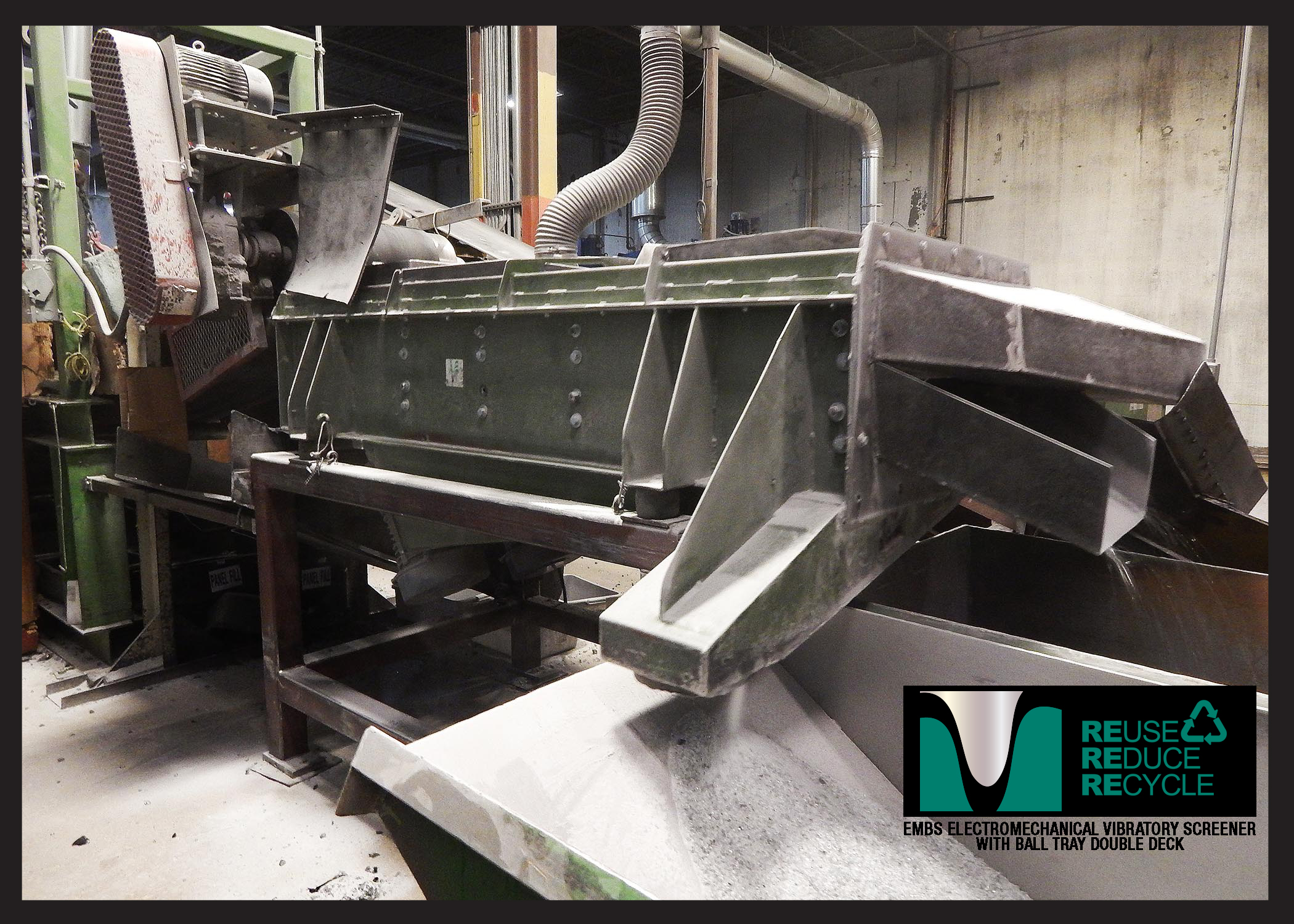
Why Recycle Glass? The Answer Is Clear

By Cleveland Vibrator Team

Remember the days of “Tube TVs” and “Low Radiation” computer screens?

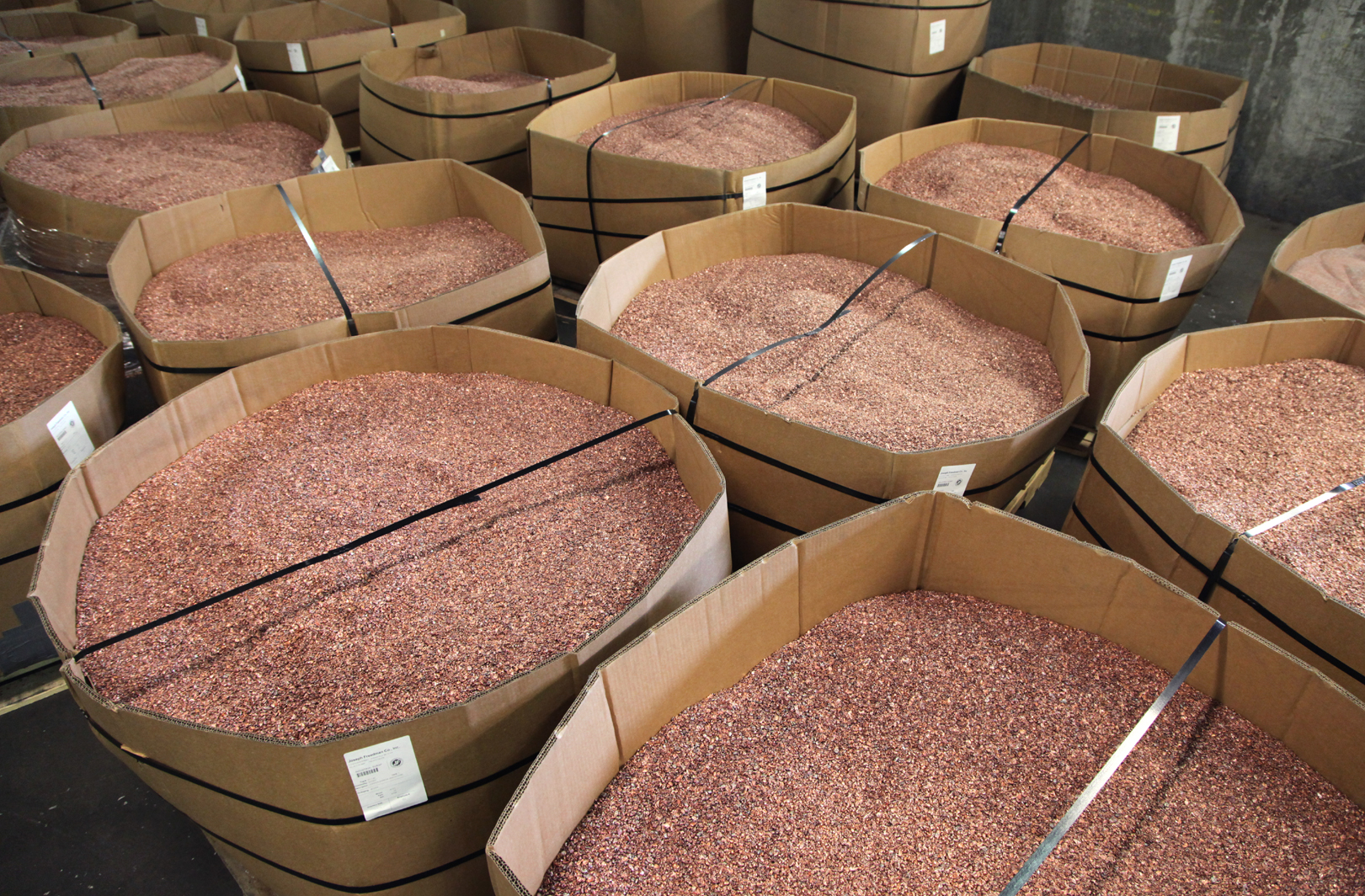
I remember walking into Cleveland Vibrator and seeing, what I would describe as, the land of misfit computer screens that had been stored away through the many years that Cleveland Vibrator has been in business. One day they disappeared and the land of misfits was replaced by trade show accessories. Working here has opened my eyes to the many industries that don’t get the attention they well deserve, especially recycling. Recently, I was invited to visit a customer whose specialty was Glass Recycling of old TV screens and computer monitors. Ding, ding, ding, the lightbulb went off… this is where those “misfits” disappeared to. This got me thinking, what exactly can recycled glass be used for?

The glass used for these old monitors and displays is referred to as CRT, Cathode Ray Tube Glass, and it is estimated that the typical CRT device is made up of between 15 to 90 pounds of glass (depending on device) that protects the users from the radiation produced by the electron gun and beam gun inside that device. Since the emerging high demand of LCD, LED and Plasma Screens of the 2000s, it is an estimated 57 million computers and televisions are sold annually in the U.S. according to U.S. Environmental Protection Agency. Households are now discarding old models of outdated technology at a much higher rate than we have ever seen before. Read More…


Share this blog post:
FacebooktwitterlinkedinmailFacebooktwitterlinkedinmail
Avatar

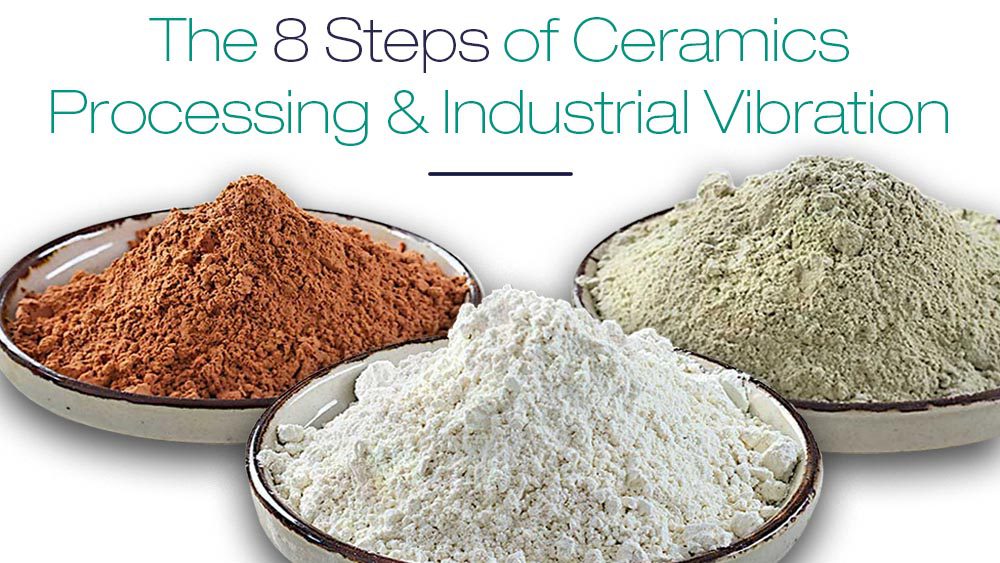
The 8 Steps of Ceramics Processing and Industrial Vibration

By CVC Team

“To acquire knowledge, one must study; but to acquire wisdom, one must observe.”Marilyn vos Savant

You know those ceramic dishes your mom uses to serve Sunday dinner? What if I told you that Industrial Vibration played a part in making those dishes possible?

The Ceramics Industry covers a wide range of products from traditional ceramics, such as pottery and chinaware, to technical ceramics for chemical, mechanical or thermal applications. I will provide you with a brief overview of the manufacturing process of traditional ceramics. I will help you see where Industrial Vibration fits into the processes as well, so brace yourself; here we go!

What exactly is Ceramics?

Ceramics can be defined as a class of inorganic, nonmetallic solids that are subjected to high temperatures for manufacturing use. I spoke about the term “traditional ceramics” which will be the focus of this post. These are ceramic products that are produced from unrefined clay, and combinations of refined clay and powdered or granulated non-plastic minerals. This includes pottery, stoneware, chinaware, porcelain, etc. To create these end products, the ceramic matter needs to go through the traditional manufacturing process, which goes as follows:

Read More…
Share this blog post:
FacebooktwitterlinkedinmailFacebooktwitterlinkedinmail
Avatar

Using Vibration to Reduce Material Cost and Increase Profit Margins in the Plastics Industry

By Cleveland Vibrator Team

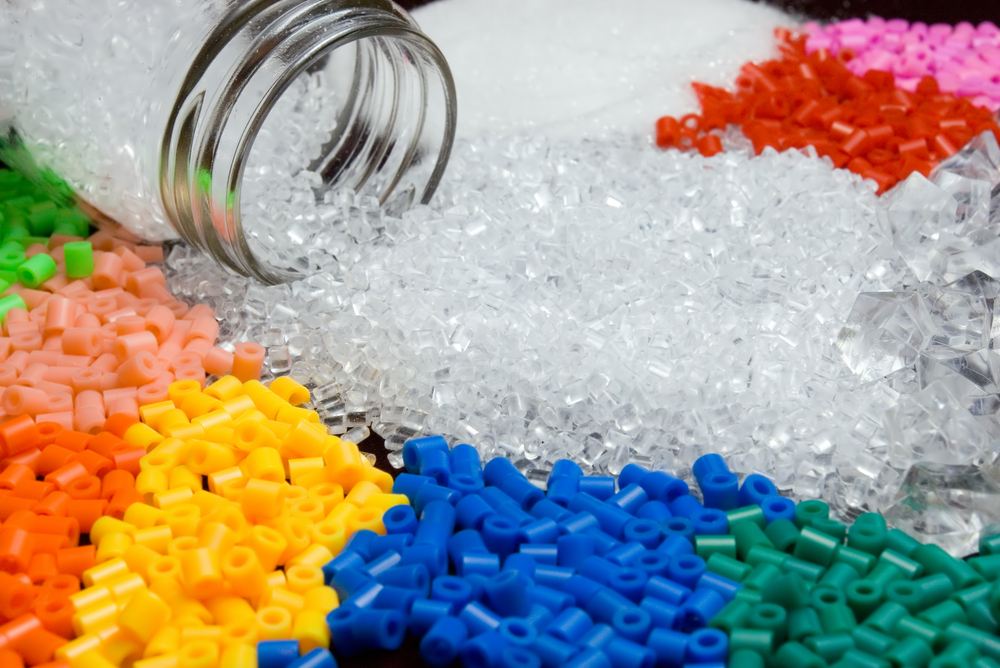
Industrial vibration can be found in multiple areas of plastics processing and can help reduce the costs of materials and increase profit margins substantially. With the use of equipment such as vibratory screeners, companies are able to reuse regrind and efficiently sort out the usable material from that of which needs to be discarded. There are other ways that industrial vibration factors into the processing of plastic products, read on to learn more.

What exactly is “Regrind?” Regrind is a term that seems self-explanatory and if you guessed that the it applies to mechanically reduced plastic components/products, you guessed right. Much of the plastic waste used in this process usually comes from a pre-consumer source, for instance processed scraps or even unused thermoplastic materials from injection molding. Read More…
Share this blog post:

FacebooktwitterlinkedinmailFacebooktwitterlinkedinmail
Craig Macklin

And Now for Something Completely Different…

By Craig Macklin

Frequent readers of this blog (don’t be scared to raise your hand and comment, by the way…) may remember a post about unique applications of industrial vibrators in 2013.  Well, this week we had a new inquiry from a drop-by guest that is in the running for 2014.

Read More…
Share this blog post:
FacebooktwitterlinkedinmailFacebooktwitterlinkedinmail
Craig Macklin

Value of Industrial Vibration Part 2: $30 per Gaylord

By Craig Macklin

While not as large of a figure as in Part 1, this number can sure add up over the course of the year for many manufacturers of bulk products such as powder metals, plastic pellets, bulk foods, metal parts and chemicals who can use thousands or tens-of-thousands of Gaylords in a year for packaging their products for shipment.  At $30 or more per Gaylord box, that can translate to annual costs of $300,000 plus per year.

Why am I bringing this up?  Because industrial vibration, most often in the form of vibratory tables, is a proven solution to reduce number of Gaylords, IBCs, or drums used to package bulk material shipments.  Read More…


Share this blog post:
FacebooktwitterlinkedinmailFacebooktwitterlinkedinmail
Avatar

Top 6 Ways to Keep Your Employees Safe in the Grain Handling Industry

By Cleveland Vibrator Team

Valuing your worker’s safety and well-being are ideas that most can agree on is crucial for company success within dangerous industries such as Grain Handling. Part of my job is updating our Twitter Feed and keeping an eye out for industry news via shared stories and retweets by some of the most credible sources in the material handling industries. Recently, I have been seeing numerous stories about grain entrapment accidents and can’t help but wonder, why does this keep occurring when preventive measures are available? Read More…
Share this blog post:

FacebooktwitterlinkedinmailFacebooktwitterlinkedinmail
Craig Macklin

Industrial Vibration to Unstick Things

By Craig Macklin

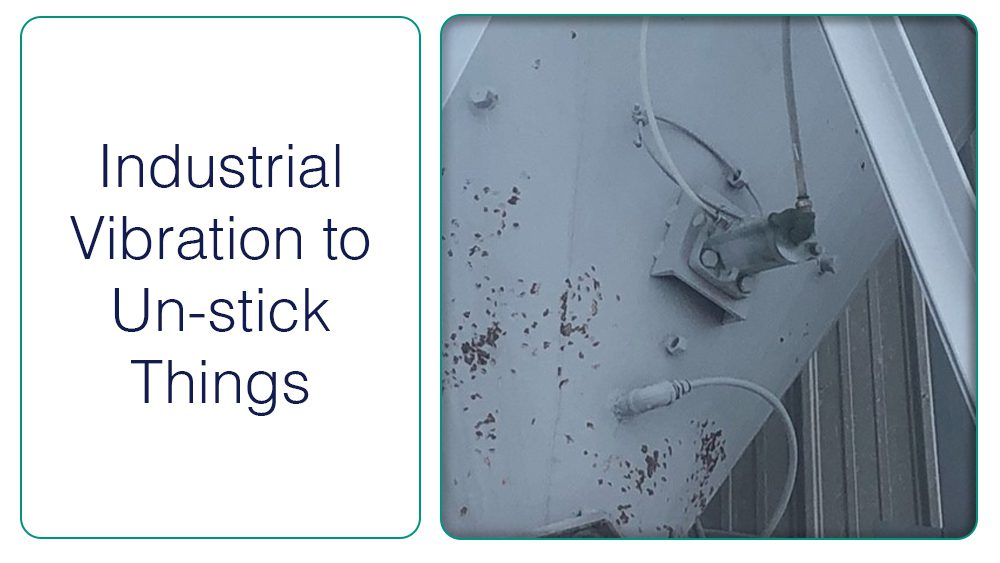
Many applications of industrial vibrators are for material flow in hoppers, bins, chutes, and pipes; or material settling and de-airing. However, we frequently come across customers that don’t work with dry bulk materials or wet cast product. Instead, they are looking to apply vibration to their process to “un-stick” their wet, sticky materials from the walls of their equipment.

If we relate this to an everyday experience, picture-grabbing ice cubes from the freezer for your glass of lemonade. You get a clump of them that bonded, and they won’t fit in your glass. So, what do you do? Apply a little energy to them with some impact force (bang them on the counter) and break those bonds. Cold lemonade success!

Read More…
Share this blog post:
FacebooktwitterlinkedinmailFacebooktwitterlinkedinmail
Craig Macklin

Vibrators Don’t Damage Equipment, Wrong Installations Do

By Craig Macklin
Sterling Systems micro ingredient batching systems-closeup

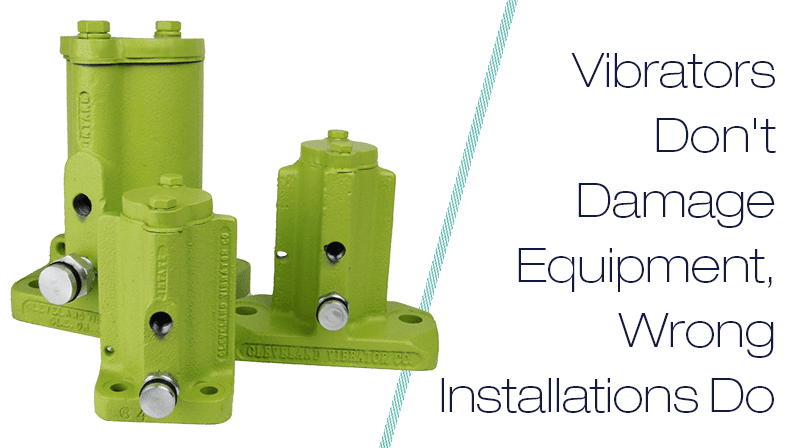
Recently, I took a whirlwind trip through the heartland. During this trip, I had the opportunity to visit plants and equipment makers installing and using vibrators. While in the field, I encountered damaged equipment, including cracked hopper walls that had to be re-welded. 

Too often, the vibrator gets a bad rap in these situations. However, in reality, the damage is a function of incorrect sizing or installation of the vibrator. So to clear up any misconceptions, here are three easy recommendations to prevent future equipment damage:

Read More…
Share this blog post:
FacebooktwitterlinkedinmailFacebooktwitterlinkedinmail
Craig Macklin

Grain Entrapment and Engulfment: Rail Cars

By Craig Macklin

Well, this sad news was released recently: “Worker Engulfed in Rail Car…” which made me revisit my prior post to dig into data some more.  Once again, I went to the data set provided by NPR Buried in Grain. This time I looked only for “rail car” in the incidents and found two in the data set.  While the two incidents in the data set both correspond to workers trying to clear clogs while unloading the rail car hoppers, this new incident does not.  Its cause was related to the worker slipping and falling while loading the car.  Either way, these incidents are terrible, tragic and preventable with proper safety precautions and training.  Rail car vibrators are one tool to help prevent bin or hopper entry during unloading.  I encourage anyone following these continued incidents to look into resources available from organizations such as the Grain Handling Safety Coalition.


Share this blog post:

FacebooktwitterlinkedinmailFacebooktwitterlinkedinmail
Craig Macklin

Best of 2013: Most Unique Vibrator Applications

By Craig Macklin
“If you want to find the secrets of the universe, think in terms of energy, frequency and vibration.”
― Nikola Tesla
As we are coming up on the anniversary of his death (January 7, 1943), this post will honor a man who came up with some of the most unique application of vibration for his time, Nikola Tesla.  His creation of the “Earthquake Machine” and use of vibratory tables to relieve Samuel Clemens from constipation (It’s true. I read it on the internet.), will be hard to match innovations.  However, on reflecting on 2013, I want to quickly highlight two of our customer’s applications of our vibrators that stood out as unique and noteworthy: Read More…


Share this blog post:

FacebooktwitterlinkedinmailFacebooktwitterlinkedinmail
1 2 3  Scroll to top