Industrial Vibrator Beat

Avatar

Paper or Plastic?

By CVC Team

I’m sure most of us remember the changeover push to convert our old standby of paper bags to plastic ones and how we somewhat resisted this at our local grocery stores. But as usual, with a little pushing from genius marketing gurus of our time, we eventually gave in and accepted the changeover. “Paper or Plastic” has pretty much disappeared to plastic only in today’s day-in-age.

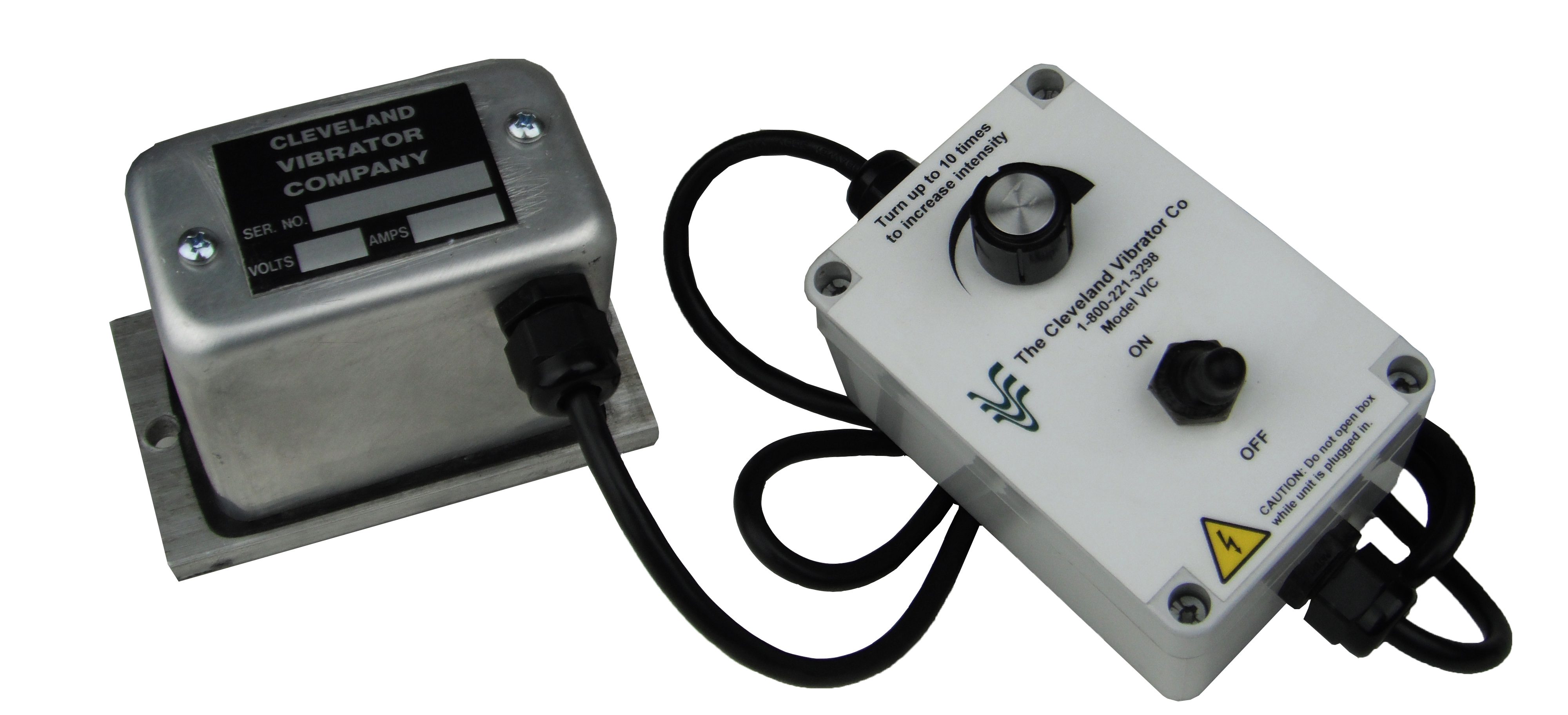
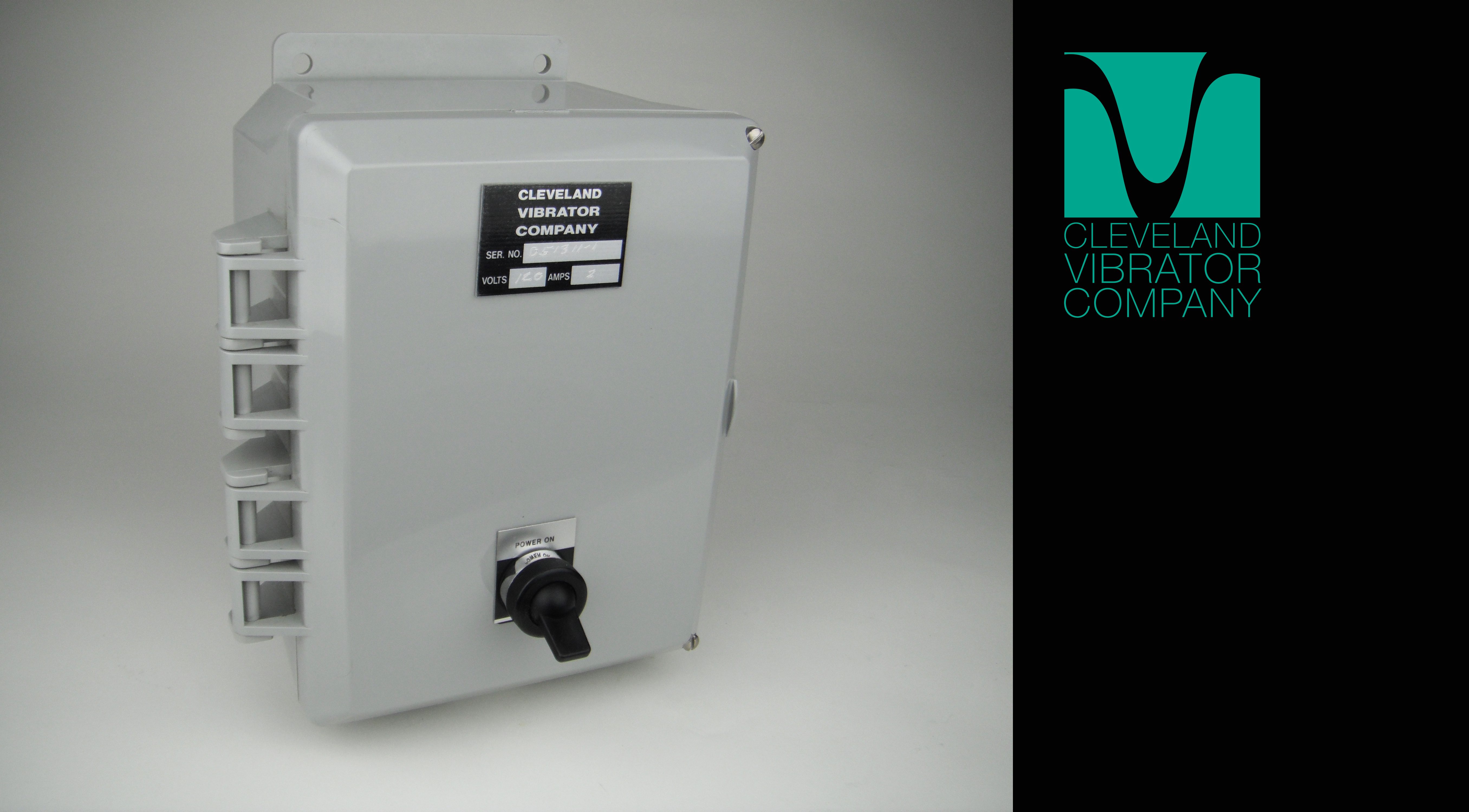
I believe we went through the same changes as it pertains to electrical controls for our electric vibrators and vibratory equipment manufactured by The Cleveland Vibrator Company. When I started at CVC in the 60’s, pretty much all controls were steel construction with the NEMA 4X being stainless and the explosion proof enclosures were cast aluminum. We carried several types of sizes of NEMA-rated enclosures in stock just to try and cover all the bases. The responsibility of our sales team was to identify the NEMA-rated requirements of our customer’s application. This at times was easier said than done of course. Purchasing was given the responsibility of having the enclosures in stock plus having suppliers who could deliver the enclosures in a timely fashion when we experienced an out of stock situation. Lastly, of course, our manufacturing team was given the task of manufacturing the many types of controls required by our valued customers. Read More…


Share this blog post:
FacebooktwitterlinkedinmailFacebooktwitterlinkedinmail
Avatar

Why Is My Bulk Material Feeding or Screening Inefficiently?

By CVC Team

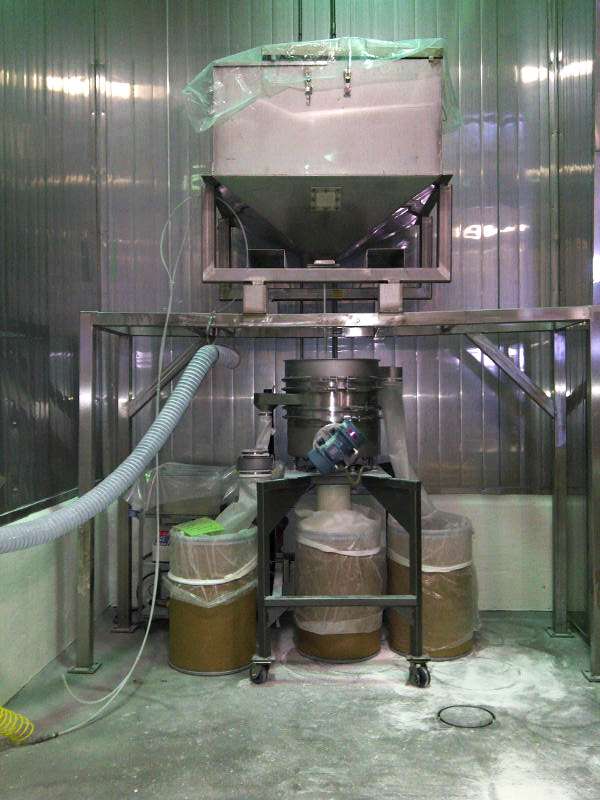
Once again I’m touching on the topic of the proper setup of rotary electric vibrators (RE) when they’re used on vibratory equipment.  Most of the vibratory equipment manufactured by The Cleveland Vibrator Company uses two rotary electric vibrators to produce linear vibration.  Vibratory tables (FA), vibratory grid tables (GT), electromechanical screeners (EMS) and electromechanical feeders (EMF) are all designed for the vibrators to counter rotate.   Again, counter rotation simply means that the vibrators rotate in different directions, one clockwise and the other counter clockwise.  It doesn’t matter which vibrator of the pair rotates clockwise or counter clockwise, it’s just important that they both don’t rotate in the same direction.

I recently tagged along with Jack Steinbuch on a visit to a customer who was experiencing some problems with a vibratory hopper feeder (RFM).  After inspecting the unit we asked the customer to remove the weight covers on the vibrators so we could check the rotation direction.  Once the weight covers are removed from the same end of each vibrator it’s very easy to see the direction of rotation as the vibrators are started up.  At startup it was clear that the vibrators were NOT counter rotating as required.   Read More…


Share this blog post:
FacebooktwitterlinkedinmailFacebooktwitterlinkedinmail
Craig Macklin

Things to Stick a Vacuum Mount Vibrator On, Part 1

By Craig Macklin

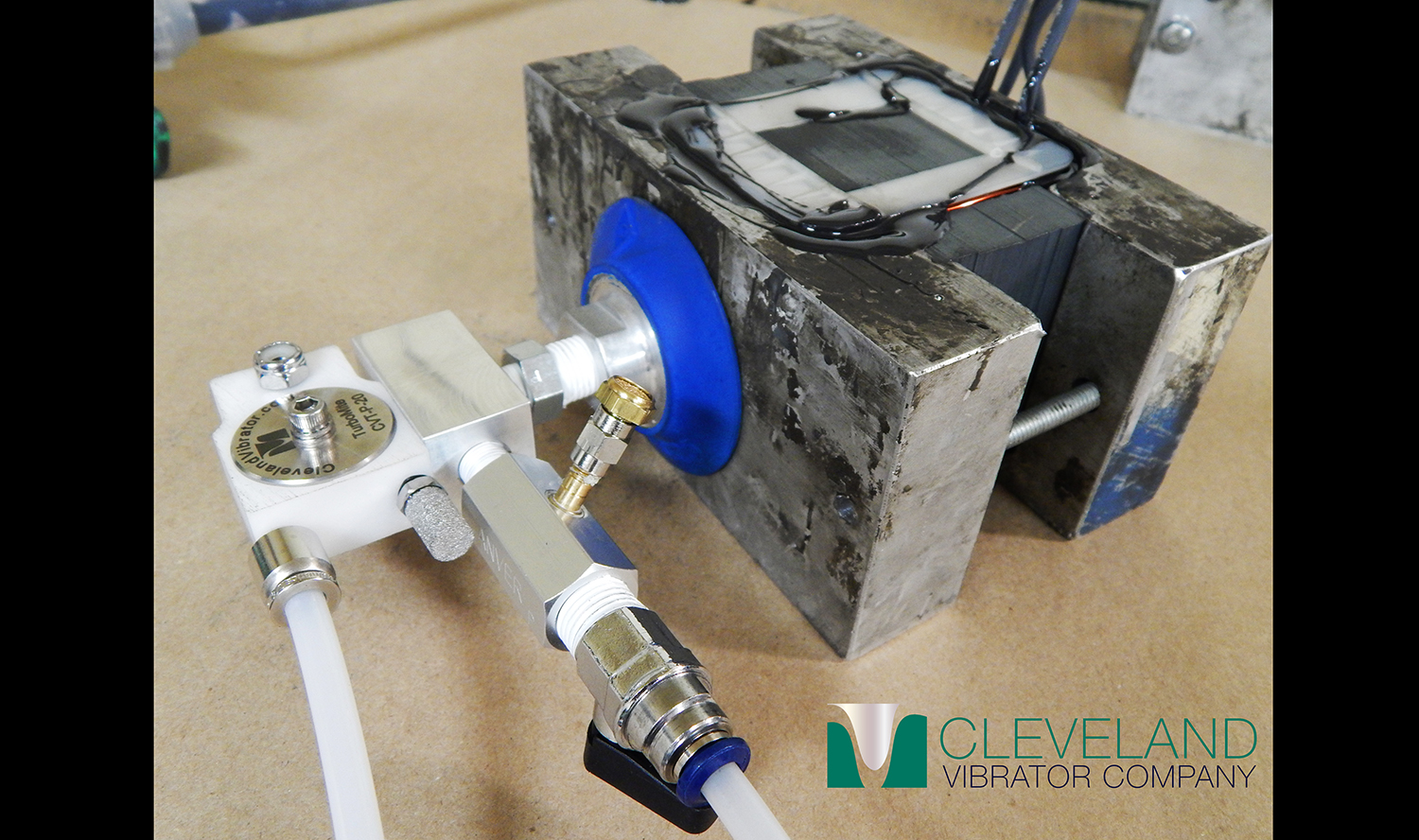
Recently, Cleveland Vibrator Co. has been working on developing a series of Vacuum Mount Systems for our vibrators.  Typically, these are used for helping flow or clean out on portable hoppers, bins, IBCs, hopper bottom and belly dump trailers, or railcars.  However, our newest release, the Mini Turbine Vacuum Mount series, has a variety of other fun applications that we can demonstrate in our very own plant here.

The first application to look at here is the Vacuum Mount CVT-P-20 being used in our coil making process.  Our line of CM Electromagnetic Vibrators uses encapsulated coils that we make in house.  In that process, we use vibration in order to settle epoxy around the coil in a mold, removing air bubbles and eliminating voids.  Typically, we have used our VJ Vibratory Jogger tables in order to do this.  However, in the video linked here, you can Read More…


Share this blog post:
FacebooktwitterlinkedinmailFacebooktwitterlinkedinmail
Mike Stratis

How to Protect Your Vibrator Investment

By Mike Stratis

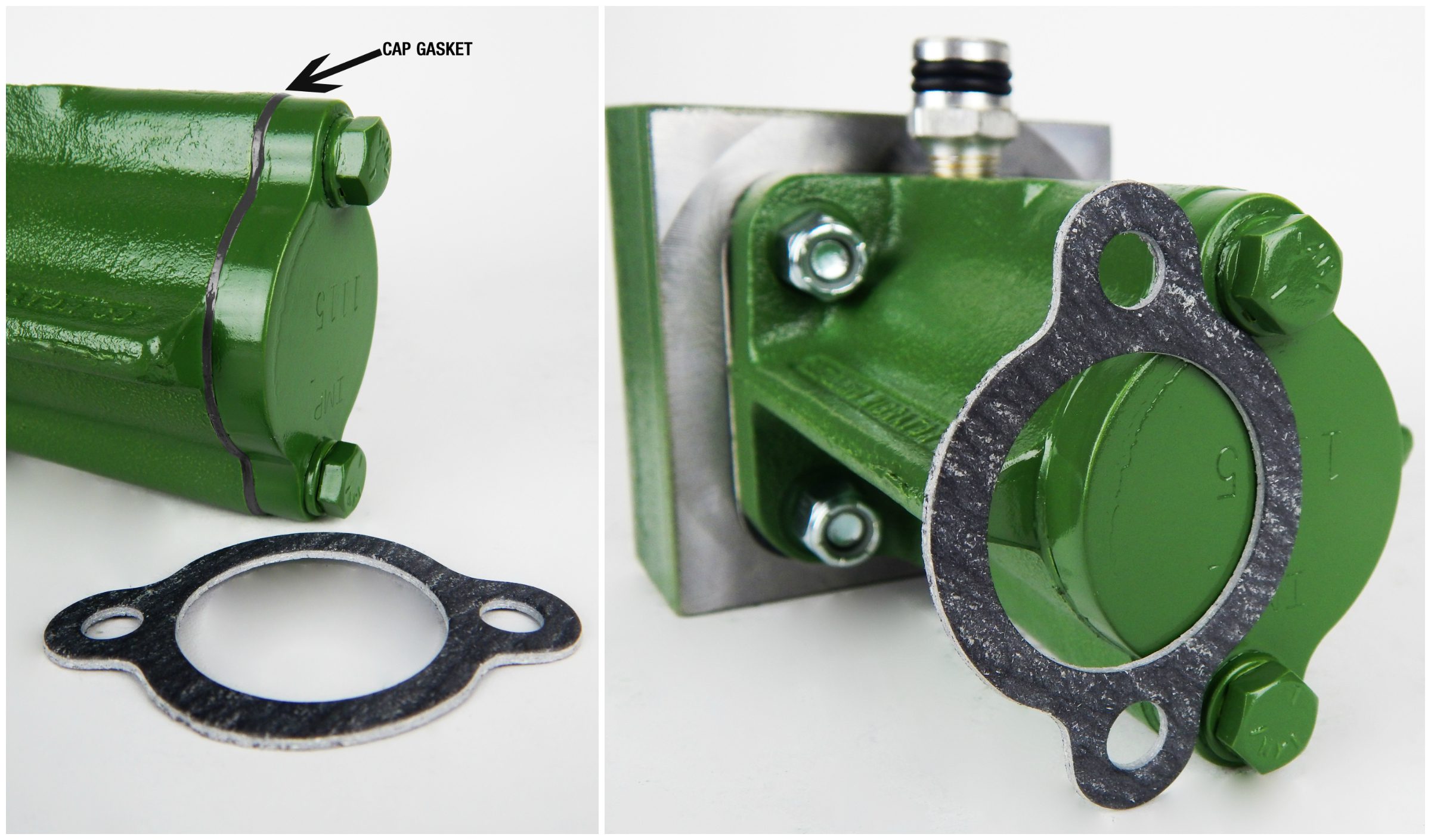
The Cleveland Vibrator Company has been manufacturing pneumatic piston vibrator units since 1923. Over the past 90+ years, we have learned a few things about how to protect your investment in an air piston vibrator. There are a few main procedures and components we strongly suggest and will review:

  1. Air Supply
  2. Exhaust Ports
  3. Gaskets

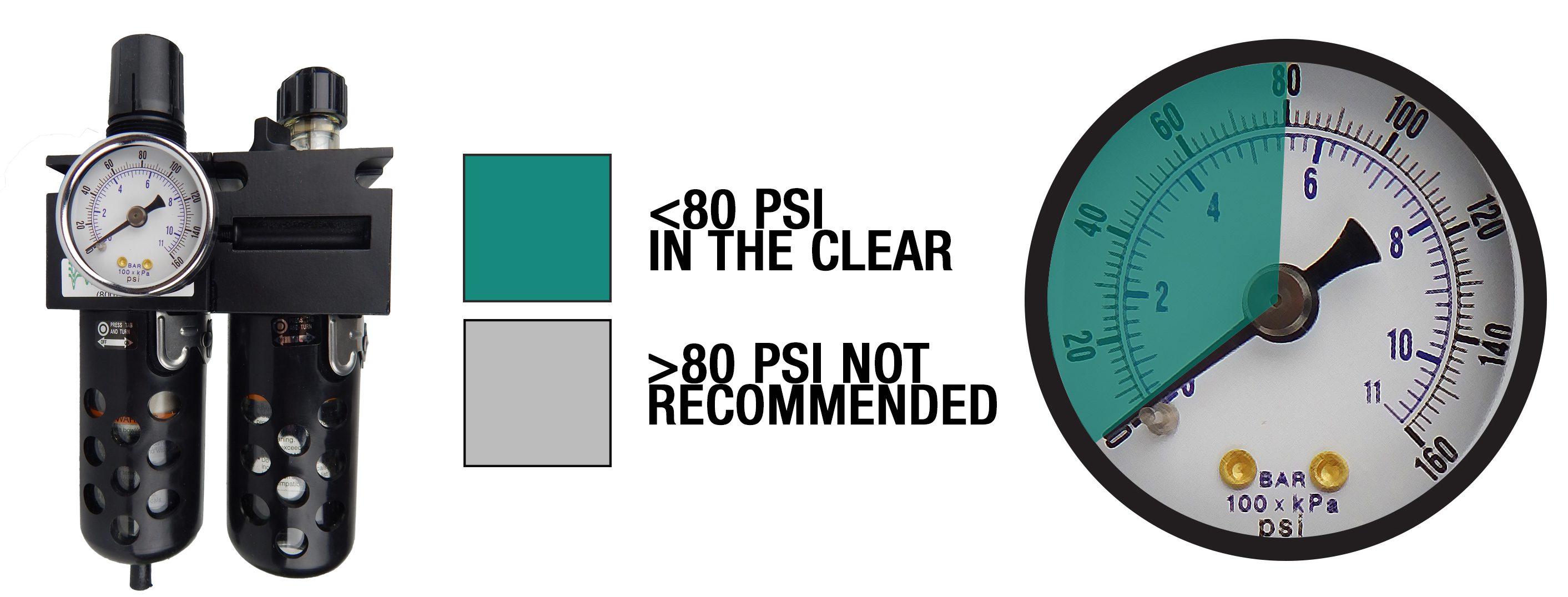
PSI Reccomendation with Regulator - Cleveland Vibrator CompanyThe air supply should be dried and filtered, then regulated and once between 0-80 PSI, the air should be lubricated. We have Watts Filter-Regulator-Lubricators available ranging in size for 1/4″ to 1-1/”4 NPT. Glycerin filled regulator gauges help to read the PSI setting easily. Lightweight 10W/NR oil should be dropped into the airline prior to reaching the vibrator. We have pints of Vibra-Lube available to help save the search for this type of oil.

These TLC steps can double or triple the air piston vibrator’s life expectancy. Our dual-diameter piston design allows for start-up in any mounting position (e.g. at 30° on a vibratory feeder or 60° angle on a hopper or 90° on a vibratory table) and eliminates the need for a spring. The springless unit keeps replacement parts and internal components to a minimum. So, with a proper air supply plumbed to the vibrator and a low number of wearable parts, these units can last a long time and return the money on your investment. Read More…


Share this blog post:
FacebooktwitterlinkedinmailFacebooktwitterlinkedinmail
Avatar

Vibration Force: Is Faster Actually Better?

By CVC Team

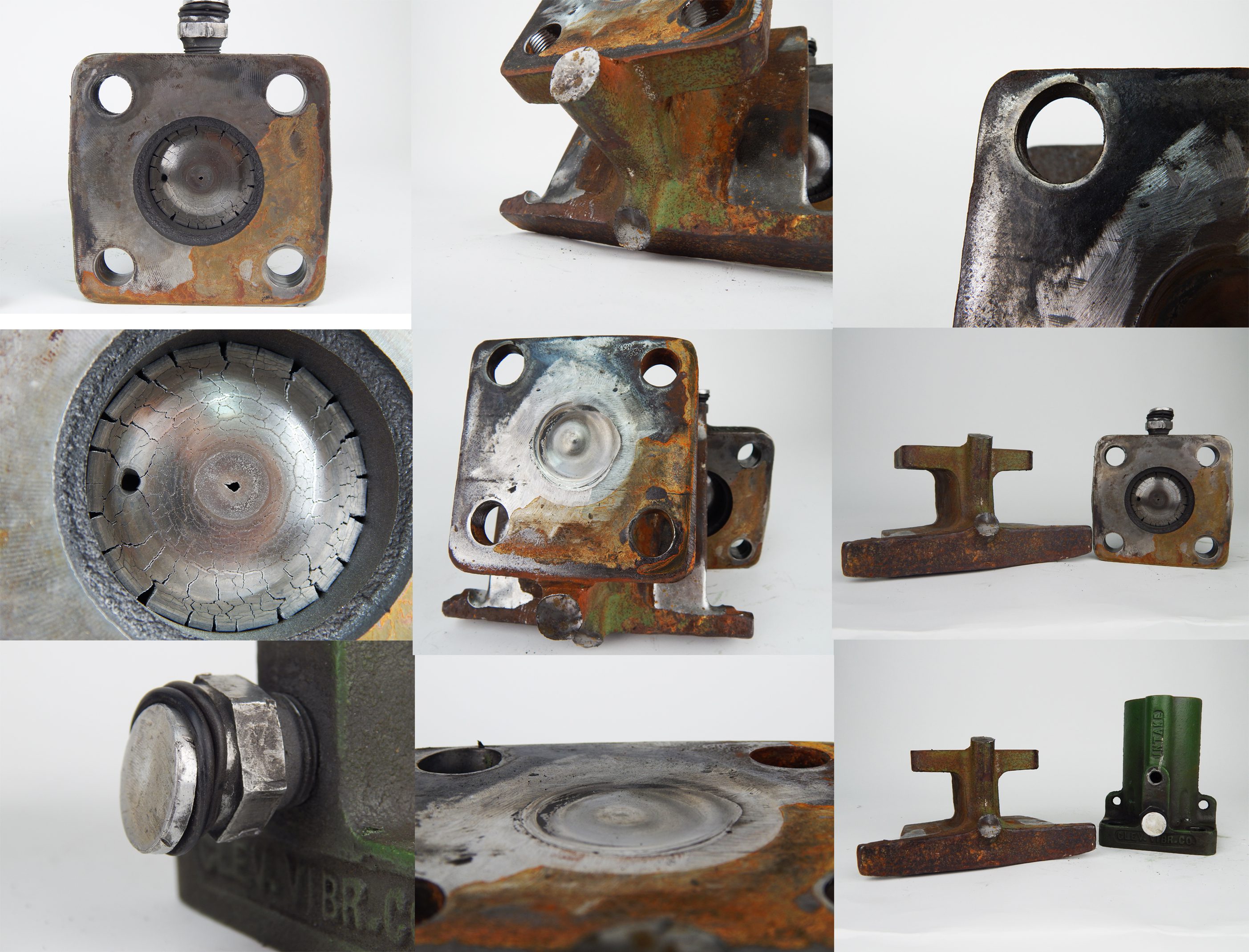
I have attached some photographs of a couple vibrators returned to Cleveland Vibrator for evaluation over the past year. It’s pretty clear that these units were not operated as per our operation manuals would instruct. Human nature causes us to try and make something work better or faster, we are the products of an an instant gratification way of life. We believe that products can work up to our lofty expectations even though we know it will work best to follow instructions in a user’s manual and to operate the product as instructed. As we used to hear at the beginning of the Six Million Dollar Man TV show many years past,”We have the technology to make it bigger, faster and stronger.” This hold true in many cases, especially relating to air piston vibrators, we shorten the life of the vibrator by believing we can use such technologies to override suggested operating specs. Read More…


Share this blog post:
FacebooktwitterlinkedinmailFacebooktwitterlinkedinmail
Avatar

It’s Halloween… Tales from a Small Town Boy Will Have You Shakin’ in Your Boots

By CVC Team

With Halloween approaching fast, it has reminded me that over the years Cleveland Vibrator has sold several vibrators to entertainment enterprises for use on their Halloween projects. One of these projects, I was told, was for a Haunted Mansion Halloween Party for a pretty well known publication here in the U.S. (*Mansion may be a pretty big clue here). They used two 1125 VMS Air Piston Vibrators mounted below the floor to surprise folks as they walk on them. We even built an “Earthquake Machine” for the Natural History Museum here in Cleveland, Ohio to give visitors the experience of what an earthquake may feel like. They even covered the drive motors so you could actually sit on them. This holiday also brought back an experience I had at a burial vault company visit just a few years past. But, before I tell this story would like to explain what led up to my reaction to this visit.

I think that our beliefs and fears about Halloween go back to what we have learned or were told as kids. This for sure applies to my background as a youngin’. I was raised in Southern Ohio on a small farm that had no phone service until I was twelve or thirteen. Read More…


Share this blog post:
FacebooktwitterlinkedinmailFacebooktwitterlinkedinmail
Mike Stratis

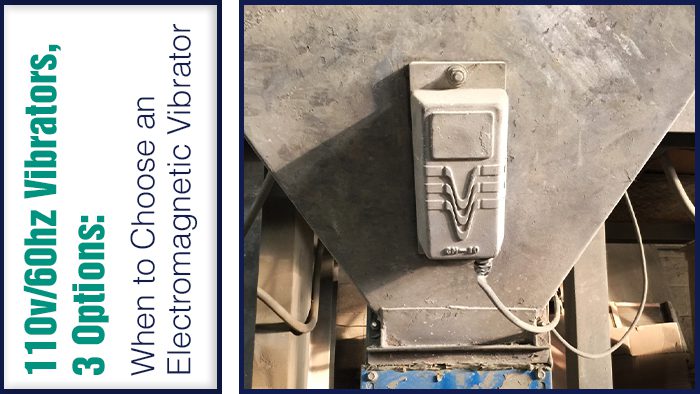
110v/60hz Vibrators, 3 Options: When to Choose Electromagnetic Vibes

By Mike Stratis

The Cleveland Vibrator Company was established in 1923. During the last century, the flagship product for our company has been the pneumatic piston vibrator. However, to meet the demands of our ever-changing industry, our product offerings have been adapted to fit customers’ requests. Before we delve into it, let’s look at the three options available for the users who require a 110v/60hz vibrator. These units include:

Electromagnetic Vibrators
(CM product line)
Electromagnetic Vibrators

Read More…
Share this blog post:
FacebooktwitterlinkedinmailFacebooktwitterlinkedinmail
Avatar

The Top 8 Lubricants You Shouldn’t Use on Your Industrial Pneumatic Vibrator

By CVC Team

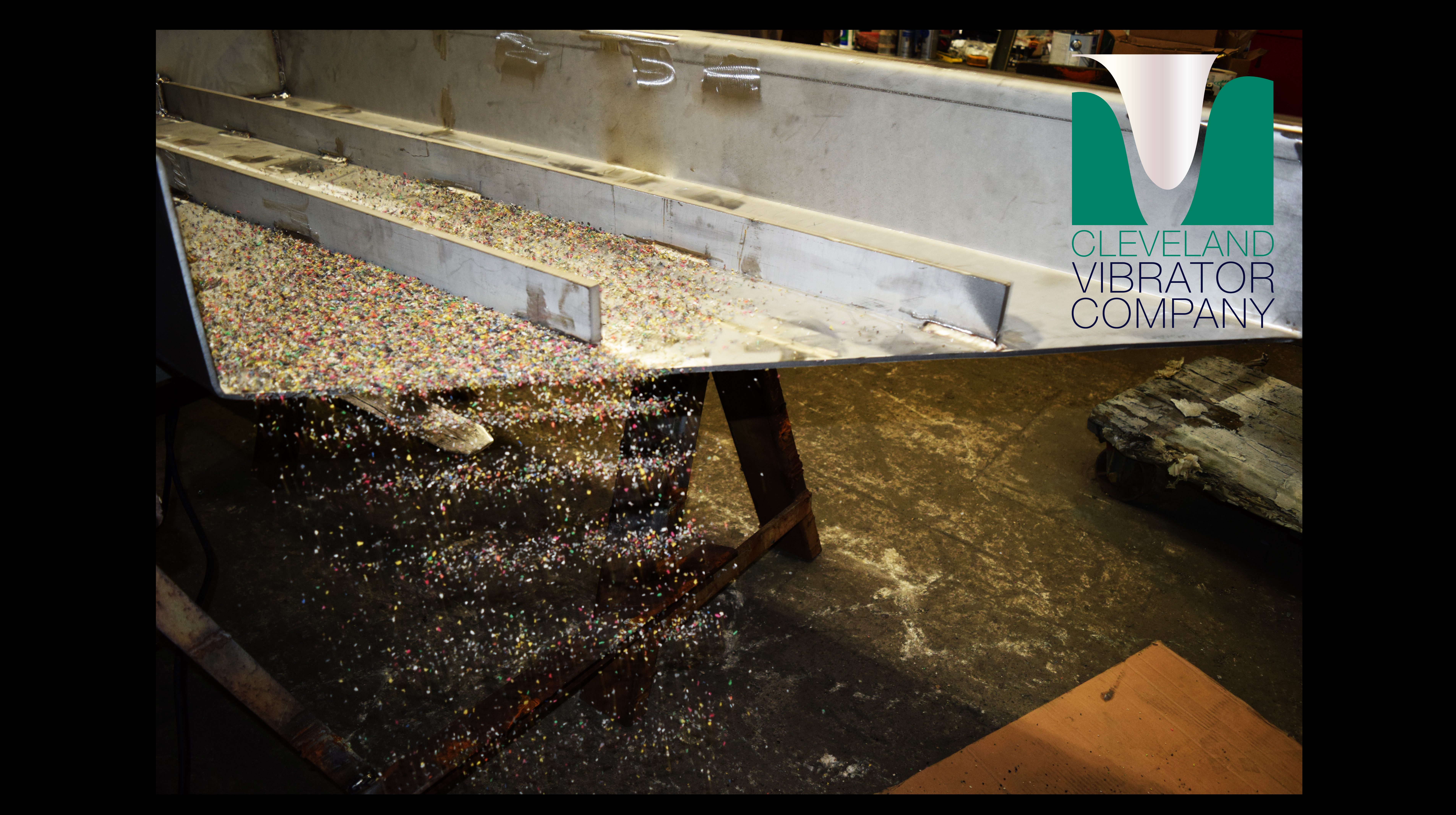
We often have customers send our products back for routine maintenance checks and to address functionality problems they are experiencing. A customer sent us their 1350 VMS impact vibrator used on a railcar to unload dry cement. We typically recommend a lightweight oil lubricant for our pneumatic vibrators. In the pictures below, you can see that our customer used grease. This is a major no-no and will only lead to premature failure of the vibrator. Our air piston vibrators carry fairly tight tolerance between the piston O.D. and the body I.D. This tolerance can be as small as tenths of a thousand to just a few thousand. If you add anything to the air stream that changes that tolerance, you may affect the performance of the vibrator.

Read More…
Share this blog post:
FacebooktwitterlinkedinmailFacebooktwitterlinkedinmail
Mike Stratis

No Lube? No Problem.

By Mike Stratis

Here at the Cleveland Vibrator Company, we are constantly looking to help solve a customer’s problem. That problem could range from breaking up bridging material in a hopper, deblinding a screen deck, compacting dry bulk products or anything in between. Regardless of the processing line hurdle, we have the experience to assist.

Since 1923, the flagship product line for our company has been the pneumatic piston vibrator. In the 90+ years of manufacturing here in Cleveland, Ohio, a few new kids have entered the block…the vibratory material flow aids block, that is. As with any industry, applications change over time. In our world, a few that come to mind are the food and pharmaceutical projects. As our country has progressed with health standards and regulations, manufacturing facilities have had to adapt products to meet the needs for the evolving problems. The change we are going to focus on here is the elimination of lubricant, oil or grease in the air lines at processing plants. Read More…


Share this blog post:

FacebooktwitterlinkedinmailFacebooktwitterlinkedinmail
Avatar

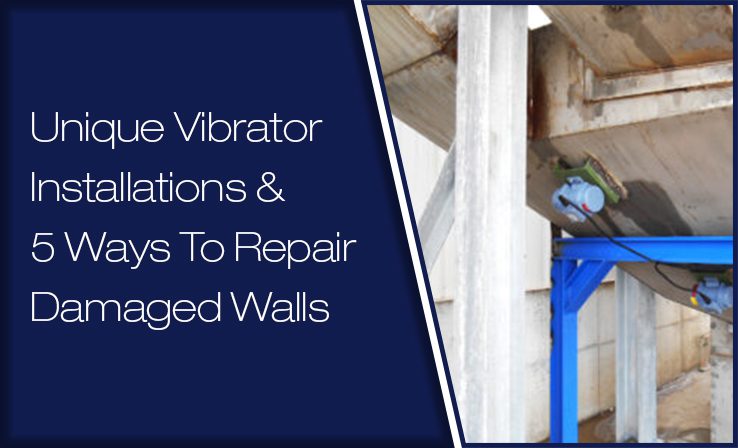
Unique Vibrator Installations & 5 Ways To Repair Damaged Walls

By CVC Team

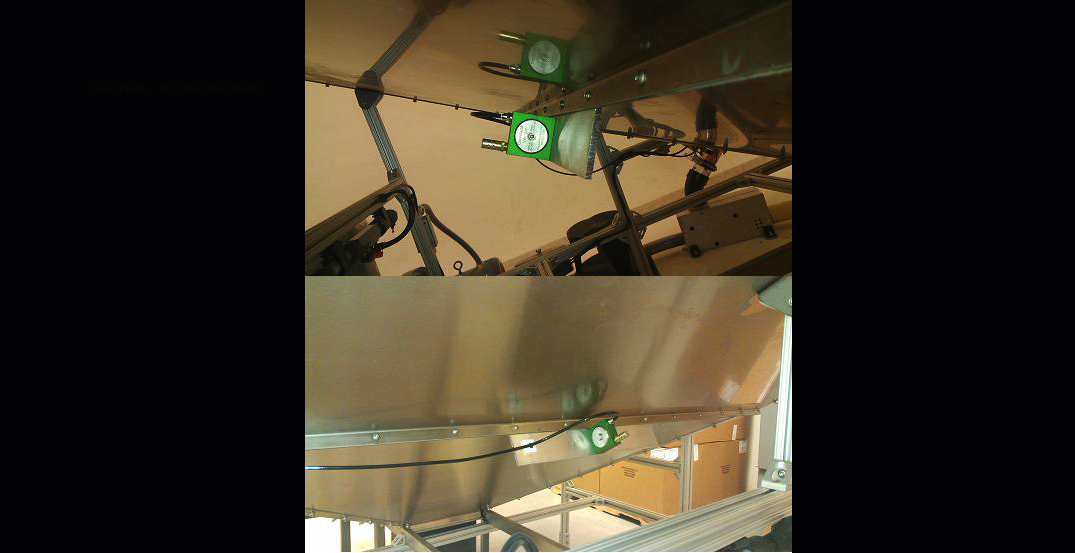
Since 1923, we have been a part of many vibrator installations on hoppers and bins. One of our major markets is supplying industrial vibrators to the feed and grain industry. I have spent time talking to and visiting folks who ensure their facility operates efficiently with minimal downtime. During those visits, I’ve come across many unique techniques to mount a vibrator on a bin or hopper—specifically, the installation and types of channels and mounting brackets.

Where should you install your industrial vibrator?

Even if the installation doesn’t fit the standard mounting practices, our installation manuals are still helpful. In most cases, we suggest mounting the vibrators on the sloped section of the hopper or bin about one-third of the way up from the discharge. If using two vibrators, we recommend spacing them 180 degrees apart. If using three, we recommend 120 degrees apart. Staggering the vibrators will maximize the effect on the bin walls to assist in material flow.

Read More…
Share this blog post:
FacebooktwitterlinkedinmailFacebooktwitterlinkedinmail
1 2 3 4 5 6 7  Scroll to top