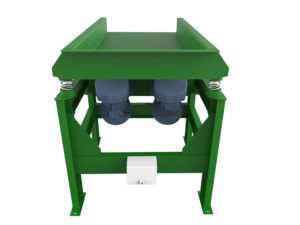
vibratory feeder

Avatar

Vibratory Feeder FAQs | Selection, Sizing & Feed Rates 

By CVC Team

Vibratory feeders provide controlled movement of bulk materials from one process to another. They can be used to feed mixers, crushers, screeners and furnaces; meter ingredients; fill containers; or spread material across another product or process. 

Cleveland Vibrator offers air-powered, electromechanical and volumetric feeder configurations with adjustable material flow and a wide range of tray, discharge, isolation and control options. 

Read to Learn More: Vibratory Feeders 

How does a vibratory feeder work? 

A vibratory feeder moves material through a series of very short, rapid movements along the feeder tray. Although it appears to the eye as a continuous stream, the material is actually making repeated small hops forward. 

The vibratory drive and tray are designed to create controlled movement in the desired direction. 

Read to Learn More: Vibratory Feeders 

What is a vibratory feeder used for? 

Vibratory feeders can move bulk material from one process to another, meter ingredients into a process, feed furnaces or equipment, fill containers and spread or sprinkle material. 

Applications can include feeding ingredients to mixing tanks, adding foundry binders, feeding metal components to heat-treating furnaces and delivering scrap or glass cullet to furnaces. 

Read to Learn More: Vibratory Feeders 

How do you size a vibratory feeder? 

Feeder sizing begins with the material and required capacity. Important factors include required feed rate, bulk density, particle characteristics, desired bed depth, tray width and length, tray shape, discharge arrangement and downstream process requirements. 

These variables should be evaluated together rather than selecting a feeder solely from a nominal tons-per-hour figure. 

Read to Learn More: How to Design and Size a Vibratory Feeder Conveyor 

What determines the capacity of a vibratory feeder? 

Capacity depends on several variables, including tray width, tray configuration, material bulk density, material depth and the rate at which the material travels. 

A flat tray, V-shaped tray and tubular feeder of similar overall dimensions will not necessarily have the same capacity. 

Read to Learn More: Vibratory Feeders 

How do I control the feed rate of a vibratory feeder? 

Depending on the feeder design, feed rate can be adjusted by changing vibration intensity, operating frequency and material depth at the feeder inlet. 

A variable-frequency drive can provide additional control on electromechanical feeders, while air-powered and electromagnetic designs have their own methods of varying vibration. Hopper gate position can also influence the amount of material placed on the feeder tray. 

Read to Learn More: 3 Variables that Influence Material Flow from Vibratory Hopper Feeders 

Why is my vibratory feeder feeding inconsistently? 

First look at the material itself. Significant changes in particle size, density, moisture or flowability can make consistent metering difficult even when the feeder is operating correctly. 

Other variables include hopper gate opening, bed depth, vibration force, frequency and downstream process speed. Work through these variables systematically when precise material delivery is required. 

Read to Learn More: 3 Variables that Influence Material Flow from Vibratory Hopper Feeders 

Can a vibratory feeder provide precise metering? 

It can provide controlled and repeatable volumetric flow when the material and process conditions are suitable. 

For precise applications, consistency in particle size, density and flow characteristics becomes increasingly important. Variable controls allow the feed rate to be tuned to the application. 

Read to Learn More: 3 Variables that Influence Material Flow from Vibratory Hopper Feeders 

Can a vibratory feeder handle powder? 

Yes, vibratory feeders can be designed for many powdered and granular materials, but the material’s flow characteristics must be considered. 

Very fine, cohesive, dusty or aerated powders may require different hopper geometry, tray design, covers, liners or vibration parameters than a coarse, free-flowing granular material. 

Read to Learn More: Vibratory Feeders 

What feeder tray shape should I use? 

The best tray depends on the material and process. 

Cleveland Vibrator offers flat, V-shaped and tubular configurations, along with different discharge styles. A flat tray can maximize open conveying area, a V-shaped design can help contain material and a tubular design can provide greater containment where dust control or enclosed conveying is important. Tray shape also affects capacity. 

Read to Learn More: Vibratory Feeders 

Can a vibratory feeder be enclosed? 

Yes. Dust covers and tubular tray configurations can be incorporated into feeder designs. 

Enclosure may be beneficial where the process involves dusty material, product containment or environmental control. 

Read to Learn More: Vibratory Feeders 

Can a vibratory feeder spread material evenly? 

Yes. In addition to transporting material from Point A to Point B, a properly configured vibratory feeder can spread or sprinkle bulk material across another product or conveyor. 

Feeder force, frequency and operating speed can be adjusted to create a controlled layer of material across a process below the feeder. 

Read to Learn More: How to Design and Size a Vibratory Feeder Conveyor 

Can a vibratory feeder feed a mixer, screener or furnace? 

Yes. These are common applications. Vibratory feeders can serve mixers, shredders, crushers, screeners, furnaces, production processes and final containers. 

Read to Learn More: Vibratory Feeders 

What is the difference between an air-powered and electric vibratory feeder? 

Air-powered feeders use pneumatic vibration and can provide a simple solution where compressed air is readily available. Electric electromechanical feeders use electric vibratory motors and can incorporate controls for speed and vibration intensity. 

Air-powered feeders can also be attractive in some hazardous-area applications, subject to the requirements of the installation. 

Read to Learn More:  Air-Powered Vibratory Feeders 

Can a vibratory feeder be integrated with a hopper? 

Yes. Feeders are frequently supplied beneath storage hoppers. 

The hopper can be attached to the feeder system or remain a separate, non-vibrating structure depending on the process. Hopper geometry and gate opening should provide material to the feeder without placing excessive head load on the tray. 

Read to Learn More: Attached vs. Unattached Volumetric Hopper Designs 

Can a vibratory feeder be integrated with weighing or batch controls? 

Yes. Special control options can include batch weighing, remote operation, two-speed operation and multiple-feeder systems. 

Read to Learn More: Vibratory Feeders 


Share this blog post:
FacebooktwitterlinkedinmailFacebooktwitterlinkedinmail
Kate Morel

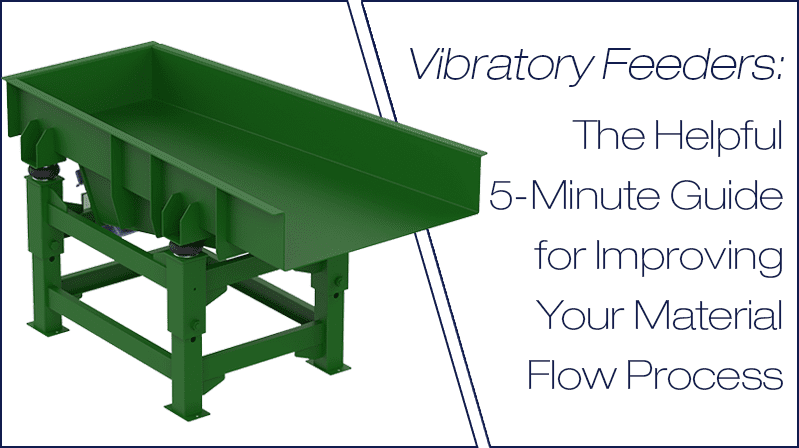
Vibratory Feeders: The Helpful 5-Minute Guide for Improving Your Material Flow Process

By Kate Morel

If you’re new to vibratory equipment and vibratory feeders, you may be wondering, “How does a vibratory feeder WORK?” It’s a fair question, and one we hear a lot from people who aren’t familiar with this type of equipment! It’s a completely horizontal solid tray or tube with seemingly no moving parts. Still, the material moves steadily from one end to the other. But, HOW?

Read More…
Share this blog post:

FacebooktwitterlinkedinmailFacebooktwitterlinkedinmail
Derek Stake

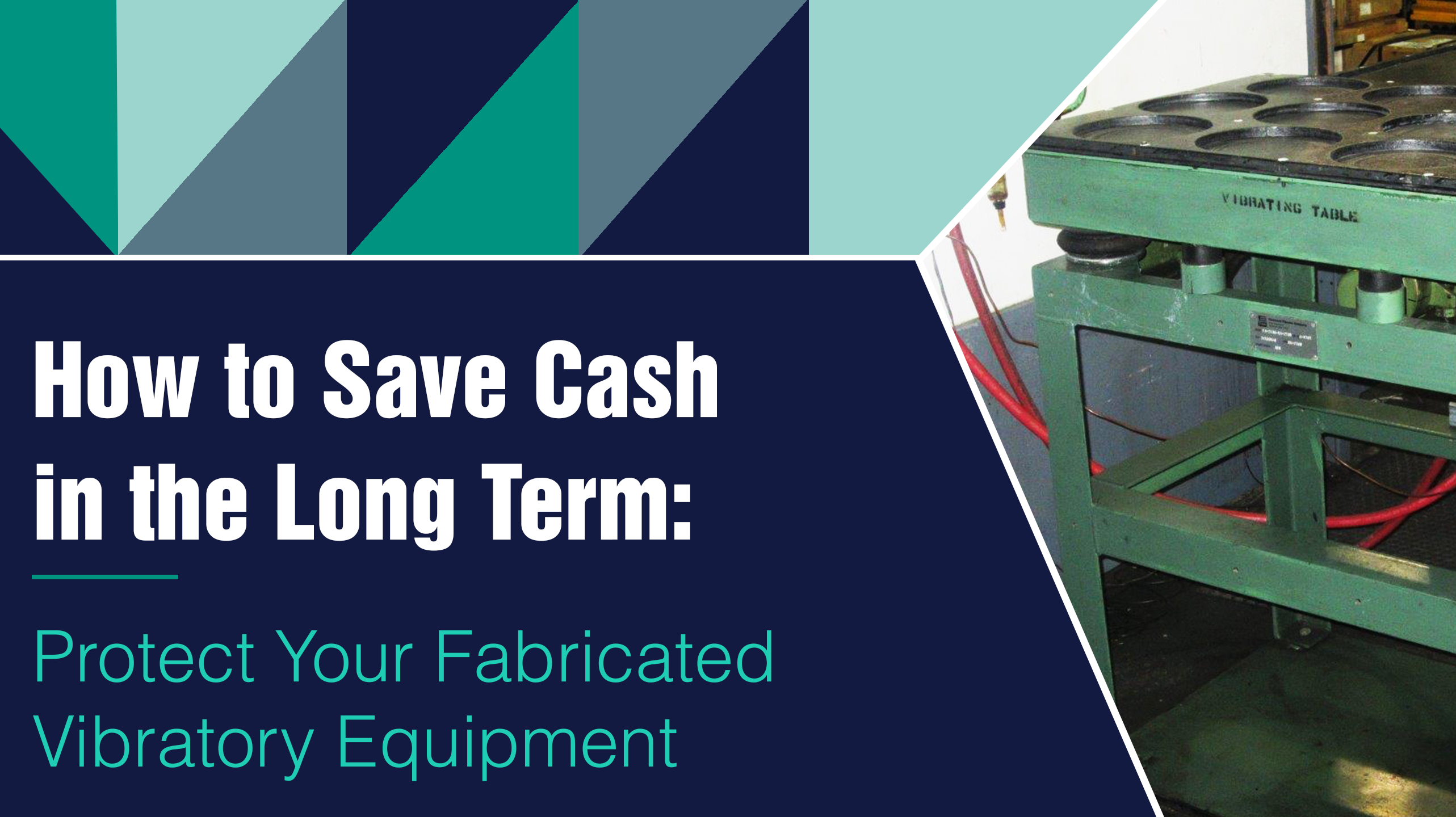
How to Save Cash in the Long Term: Protect Your Fabricated Vibratory Equipment

By Derek Stake

Great news! You decided to invest in customized fabricated vibratory equipment. Now it’s installed, working great, and you’re no longer dealing with costly, time-consuming material flow problems.  

What’s next? 

If you have worked with equipment in the past, you know that purchasing and installation is half of the battle. Whether you’re working with a vibratory feederscreenertable, or any of our vibratory equipment options, maintenance is crucial to protect your investment long term. That’s why our team of experts is here to make this process easy! We compiled the list below so you know what to inspect, how often to inspect it, and what type of damage to look for when conducting regular equipment checks.   

Read More…
Share this blog post:
FacebooktwitterlinkedinmailFacebooktwitterlinkedinmail
Jack Steinbuch

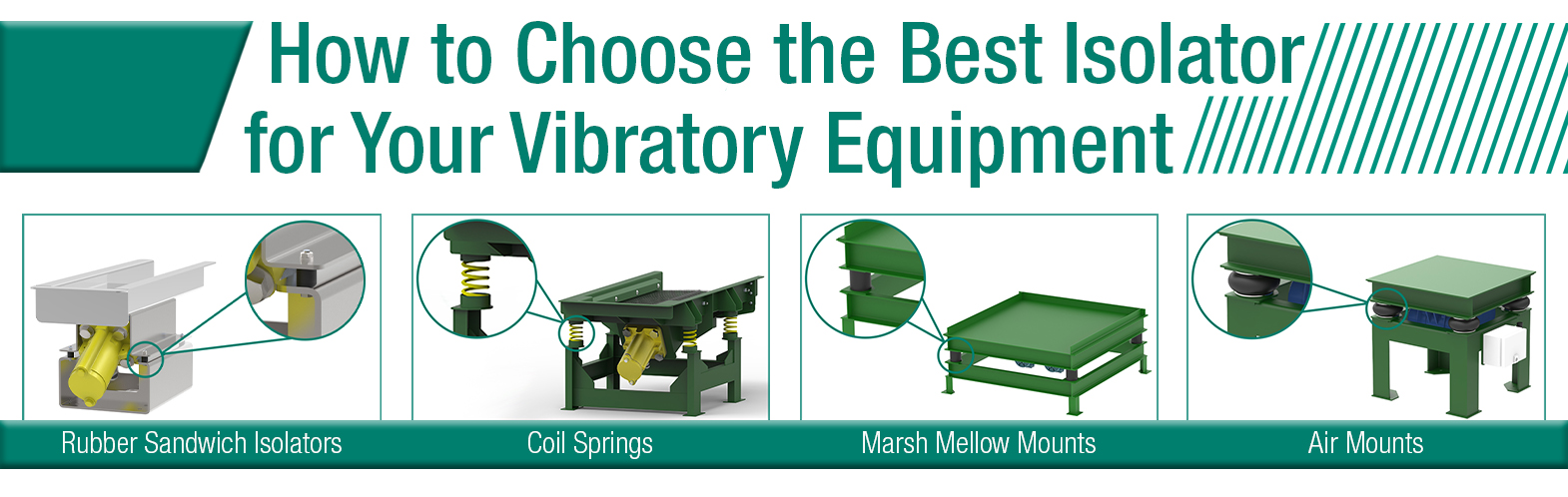
How to Choose the Best Isolator for Your Vibratory Equipment

By Jack Steinbuch

Here at The Cleveland Vibrator Company, we’ve committed ourselves to providing the best solution to your material flow problems for over 95 years. We like to say, sometimes “off-the-shelf” is just plain “off,” which is why our goal is to build a tailor-made solution to fit perfectly into your operation and application. Whether you need specific dimensions to fit a vibratory table into your existing process, require vibratory screen deblinding technologies, or have particular isolators you would like on your vibratory feeder; we offer design flexibility for our fabricated equipment to fit your application.

Read More…
Share this blog post:
FacebooktwitterlinkedinmailFacebooktwitterlinkedinmail
Mike Stratis

Does Industrial Vibrator Jargon Get You Down? The Vibration Experts Got You Covered!

By Mike Stratis

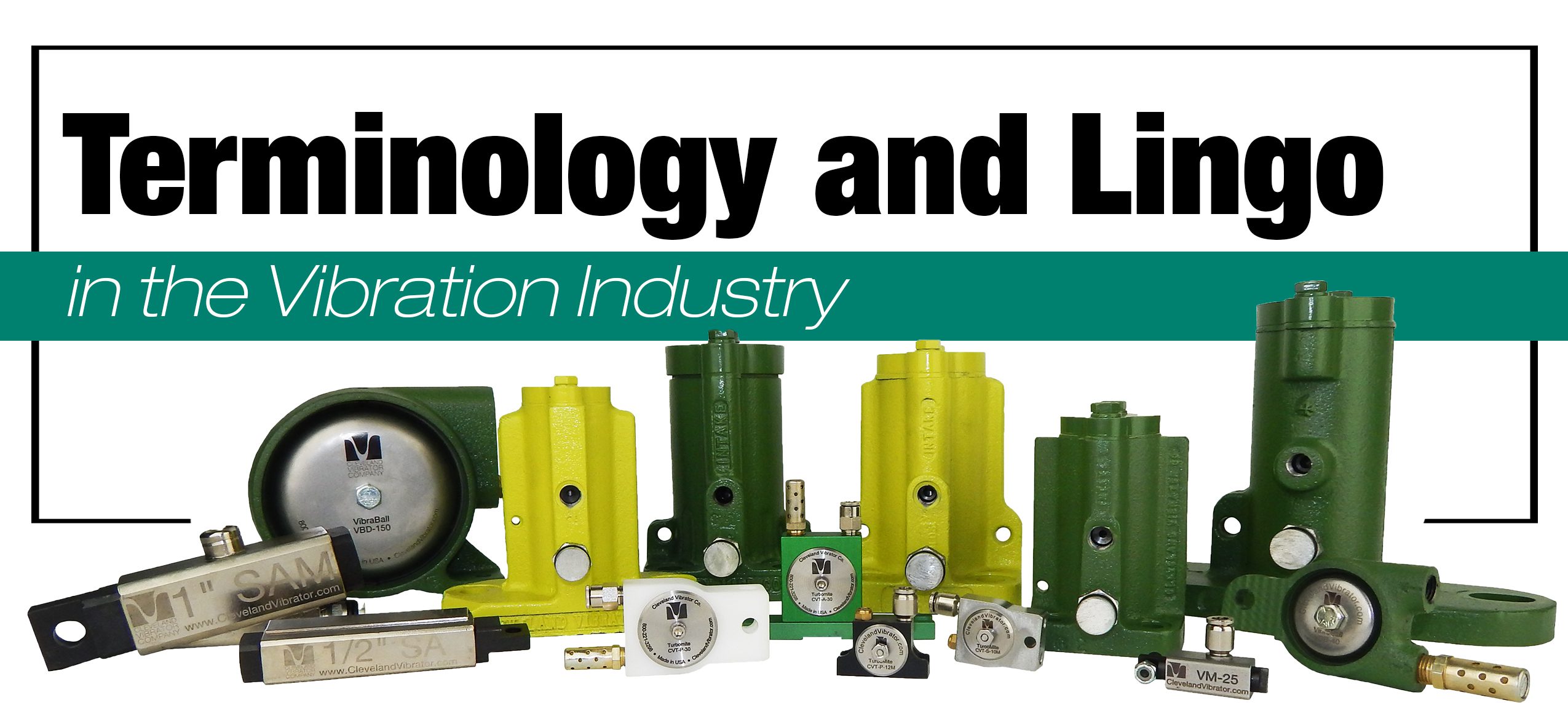
When it comes to terminology and lingo within the vibration industry, many times there are multiple names for the same piece of equipment. We will review what those are and explain what they mean.

Bin or hopper vibrators have many subcategories of vibrator types, just within this single product line itself. Let’s break it down.

Figure 1

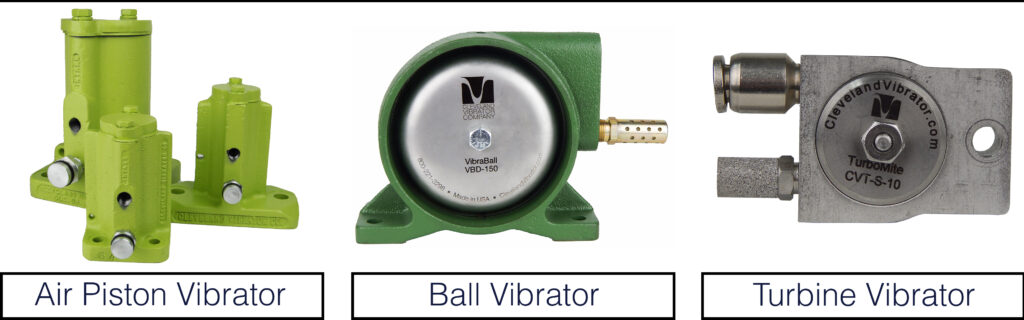
Air vibrator or pneumatic vibrators can be the following:

  • Piston type
  • Ball type
  • Turbine type
Read More…
Share this blog post:

FacebooktwitterlinkedinmailFacebooktwitterlinkedinmail
Jack Steinbuch

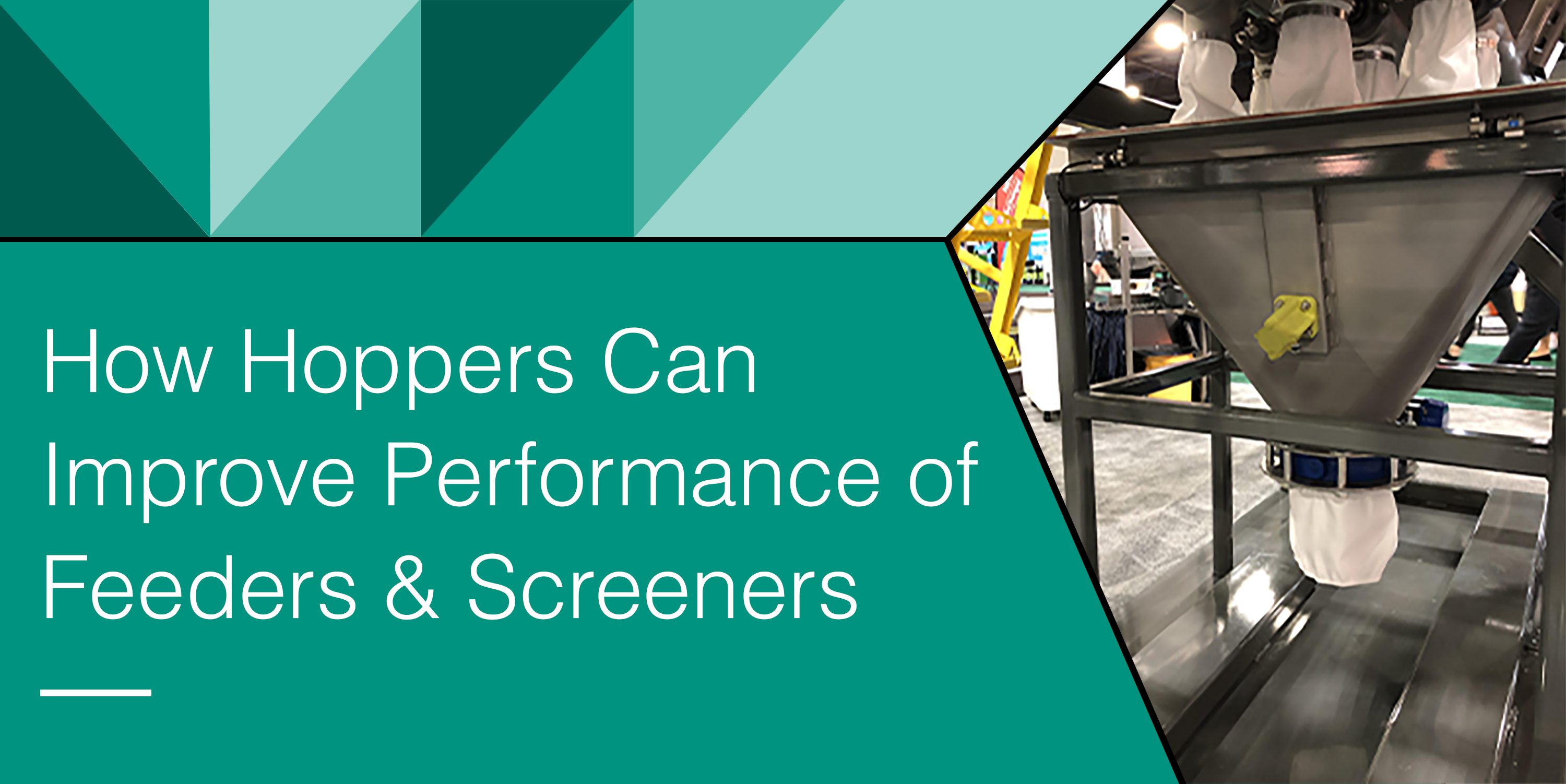
How Hoppers Can Improve Performance of Feeders & Screeners

By Jack Steinbuch

Hoppers can aid in the performance of material handling equipment, plus provide health and safety benefits for your workforce. To begin, we will review the advantages hoppers can provide to improve the performance of feeders and screeners for bulk loading applications.

RFM electromechanical hopper feeder Side loading
Hopper

Okay, so what is a hopper?

Hoppers can be stationary with steeply sloping walls to allow free-flowing material to discharge onto the feed tray. Due to their steep walls, these hoppers can have a high dump height, depending on the volume. For lower dump heights and/or poor flowing materials, a vibrating hopper is a great solution. The hopper is attached to the vibrating body and the vibrators are then upsized to compensate for the increase in vibrating weight. The material is fed from the hopper onto the equipment.

Read More…
Share this blog post:
FacebooktwitterlinkedinmailFacebooktwitterlinkedinmail
Avatar

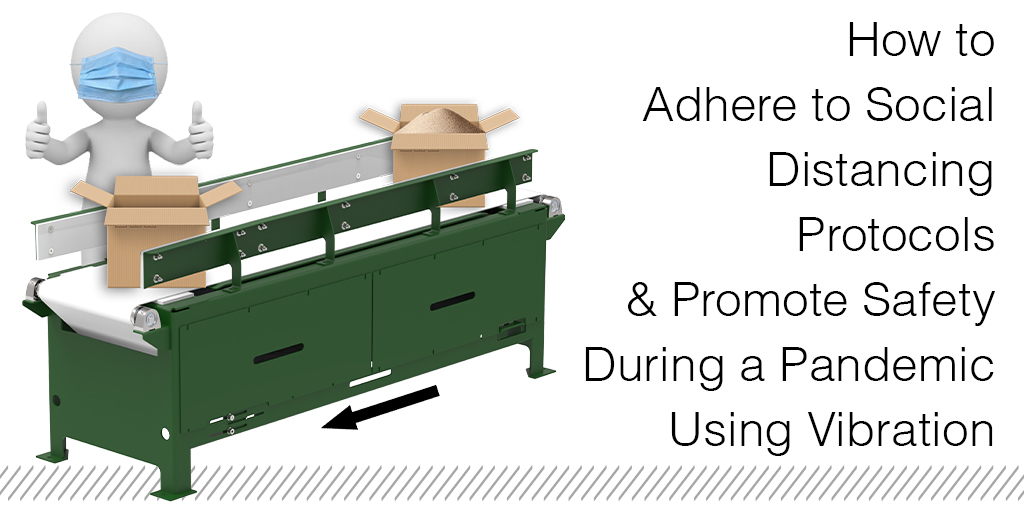
How to Adhere to Social Distancing Protocols & Promote Safety During a Pandemic Using Vibration 

By Cleveland Vibrator Team

In this pandemic, manufacturers have been called on to help make items critical to stopping the spread of, or help with the treatment of, the virus.  Namely, our nation needs an increased focus on the manufacturing of PPE, cleaning products, and ventilators.  Well, we at Cleveland Vibrator Company are a manufacturer. However, we don’t have the capability to make masks, sanitizers, or ventilators.  We are proud to be deemed essential and contributing to keeping the production and transportation of key goods intact.  But we want to be doing more to directly contribute to stopping the spread.  So, we were inspired to think of products and projects that have helped customers reduce the density of workers in a small area and could now apply to enable safe distancing on processing and production floors.  Here is a couple: 

Application #1: Bulk Food Packaging 

conveyor graphic cleveland vibrator company

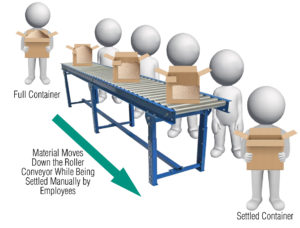
Production conveyor line without the use of vibratory equipment – Cleveland Vibrator Company

In packaging bulk foods such as frozen onion rings, bagels, or meat patties, typically there is a step between the box filling station and the close and seal station to settle the product.  When the box gets filled with products, especially odd-sized items, the product tends to cone so that amount of product that by weight is supposed to fill the box, is in a mound that exceeds the height of the box.  Often, this settling is handled manually by workers standing shoulder to shoulder at the conveyor between the filling and close and seal to shake the boxes and get the products evenly settled.     Read More…
Share this blog post:

FacebooktwitterlinkedinmailFacebooktwitterlinkedinmail
Avatar


What Is Fabricated Equipment Design Flexibility?

By CVC Team

Typically flexibility is a good thing, both in business and athletics as well as life in general.  For Cleveland Vibrator, flexibility often means having a number of choices available to solve a bulk material problem.  Our line of pneumatic vibrators ranges from the small VM-25 piston vibrator to the huge 1900 single impact unit and about everything in between to include ball vibrators, turbine vibrators, air cushion piston vibrators with friction reducing coatings for long life, to a complete line of pneumatic foundry vibrators.  If the best solution involves electric vibrators, Cleveland Vibrator has wide range of rotary electric vibrators available with operating frequencies between 900 and 3600 rpms with force outputs from 30 to over 40,000 lbf!  That’s some flexibility for sure.

What is fabricated equipment design flexibility? 

Designing Fabricated Vibratory Equipment that is built-to-spec requires a large amount of unique options best suited to fit the application and process requirements. Design flexibility is key for a successful install of vibratory equipment into an existent process. Read More…
Share this blog post:

FacebooktwitterlinkedinmailFacebooktwitterlinkedinmail
Avatar

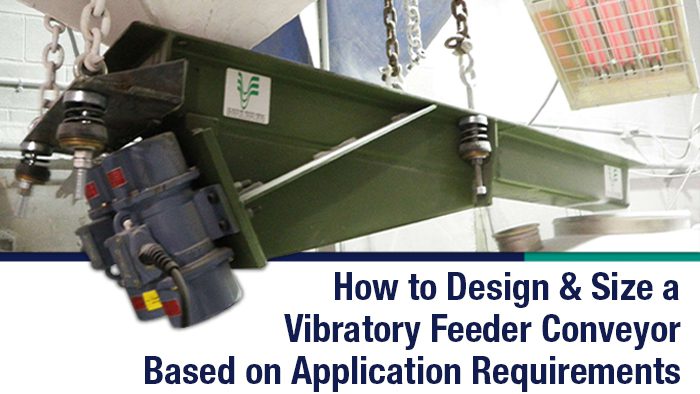
How to Design and Size a Vibratory Feeder Conveyor Based on Application Requirements

By CVC Team
vibratory feeder, vibratory conveyor, rendering vibratory feeder, pneumatic vibratory feeder, pneumatic feeder, air-powered feeder, industrial vibration, industrial vibrator
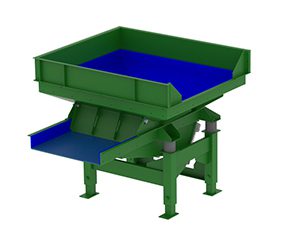
Figure 1. Air Powered Vibratory Feeder Conveyor

Along with our other vibratory equipment, vibratory feeders are great problem solvers. Feeders are well-known for their ability to move material from point A to point B effectively. However, a well-designed vibratory feeder offers flexibility to the end-user and increased safety and efficiency in the process.

Feeders can range from small base mounted CF-A, pneumatic powered feeders moving small quantities of dry bulk material in a controlled manner to a much larger base, as well as a cable-supported EMF, electromechanical feeder conveying literally tons of material an hour. This breadth of design capabilities allows our vibratory feeders to move material effectively in various industries for many different applications.

For example, we have incorporated vibratory feeders into the processes of these materials and more:

  • Almonds
  • Crushed Limestone
  • Shelled Corn
  • Powdered Metal
  • Metal Billets
  • Various Pipe Fittings
  • Scrap Brass and Bronze
  • Crushed and Shredded Automobiles
  • Hot Dross

We work with a variety of industries feeding an endless variety of materials!

Read More…
Share this blog post:
FacebooktwitterlinkedinmailFacebooktwitterlinkedinmail
Avatar

Installing Vibratory Aids on Equipment: What Are My Options?

By CVC Team

It seems to me that most applications start with a problem to solve; improve a process, simplify an operation, increase yield or throughput, or remove a bottleneck.  This problem could be as simple as placing the appropriate size pneumatic piston vibrator on the side of a hopper.  It could entail getting the right air-cushioned vibrator such as the 1200 VMSAC or maybe a single impacting SI vibrator along with the matching SMP mounting channel and controls.  Or the problem could be broader with concerns regarding the process or task to be accomplished and the design envelope into which the solution must fit and then interface with other equipment.

Regardless of the problem, options and choices are always good. 

cleveland vibrator vibratory conveyor, electric vibratory conveyor, electric vibratory feeder

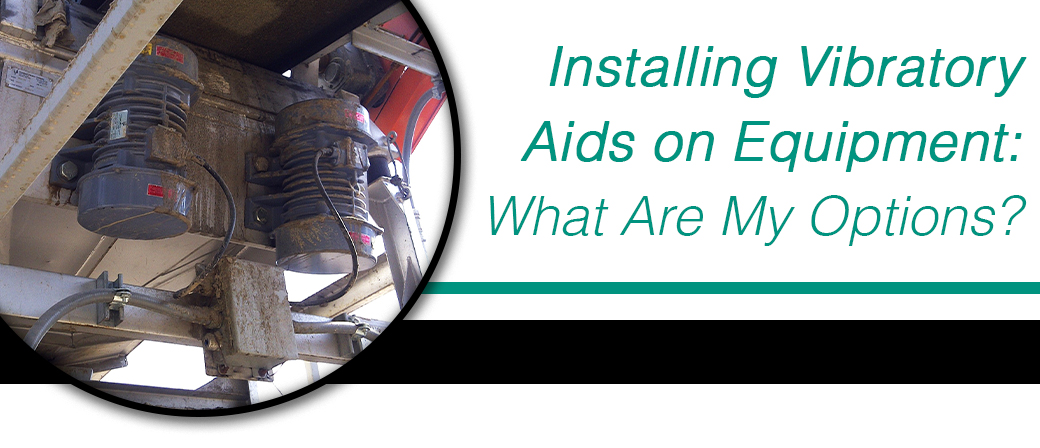
Uras Techno Rotary Electric Vibrators Placed Below the Table Deck

Often with equipment one of the first things that comes up in initial discussions is the design height or discharge height of the unit.  With vibratory feeders (EMF) and screeners (EMS) there’s always a concern about the product discharge height, as the equipment is often feeding material downstream to other devices.  One of the options that impact the design and therefore the height of the unit is the location of the vibrators.  Typically on vibratory feeders and screeners, the default Read More…


Share this blog post:
FacebooktwitterlinkedinmailFacebooktwitterlinkedinmail
1 2  Scroll to top