Avatar

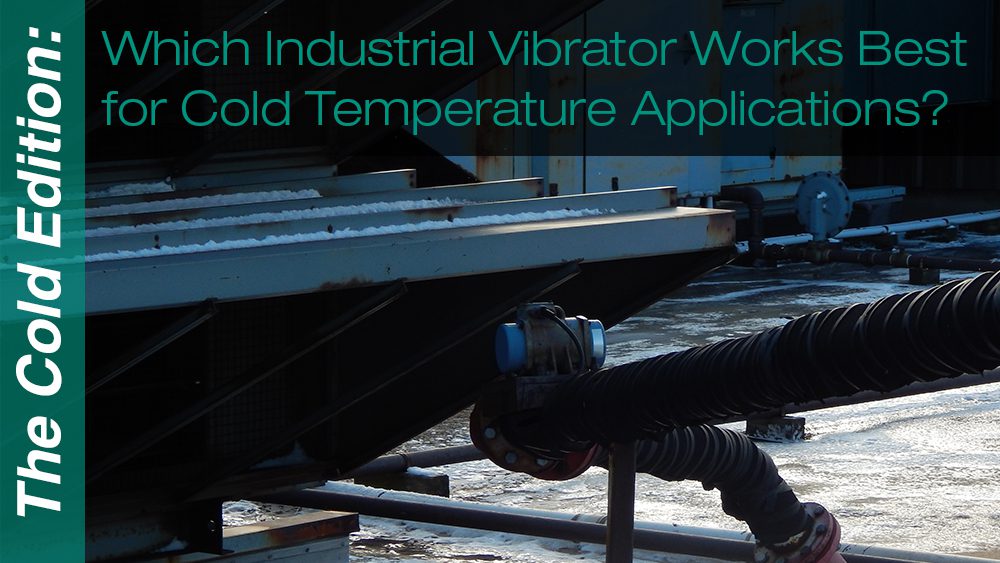
Which Industrial Vibrator Works Best for Cold Temperature Applications?

By CVC Team

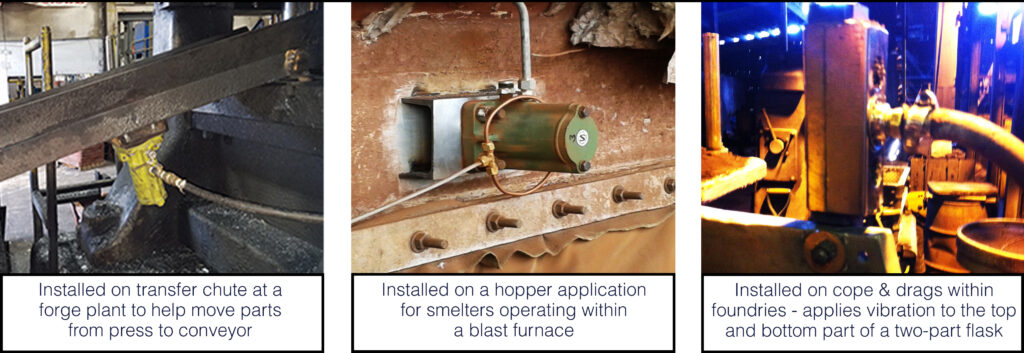
Previously, I wrote a blog about industrial vibrator options for hot temperature applications like transfer chutes in forging facilities or installations on cope & drags in a foundry. But what about those applications on the other end of the temperature spectrum?  

Let’s talk about those cold environment applications like outdoor installs on a silo, chute, or load-out spout in geographic locations that face frigid temps, hopper bottom trailers delivering goods when thereโ€™s snow on the ground, or within facilities that do not have climate control.  

When frigid temps are a factor, we lean towards supplying an electric vibrator option for material flow issues. Electric industrial vibrators do not require compressed airlines to operate, which is the biggest drawback when using pneumatic vibrators for these application environments. 

Between RE Rotary Electric Vibrators, CM Electromagnetic Vibrators, and DC Vibrators, plenty of voltage options, force outputs, and frequencies are available.  

Read More…
Share this blog post:
FacebooktwitterlinkedinmailFacebooktwitterlinkedinmail
Craig Macklin

Is Improper Densification on Your Bulk Bag or Box Filler Costing You Money?

By Craig Macklin

When considering a Bulk Bag Filler or new Bag or Box Filling system, you will inevitably be presented with the option for densification.  Most typically, densification options from the filler or system manufacturers utilize industrial vibration under the container being filled to settle, compact, or densify the material.  As discussed in one of my previous blogs, the act of vibrating material to fit more in the container can be an excellent investment to reduce container and shipping costs and make bulk bags more stable and resilient to tipping during storage or transport. 

Read More…
Share this blog post:

FacebooktwitterlinkedinmailFacebooktwitterlinkedinmail
Derek Stake

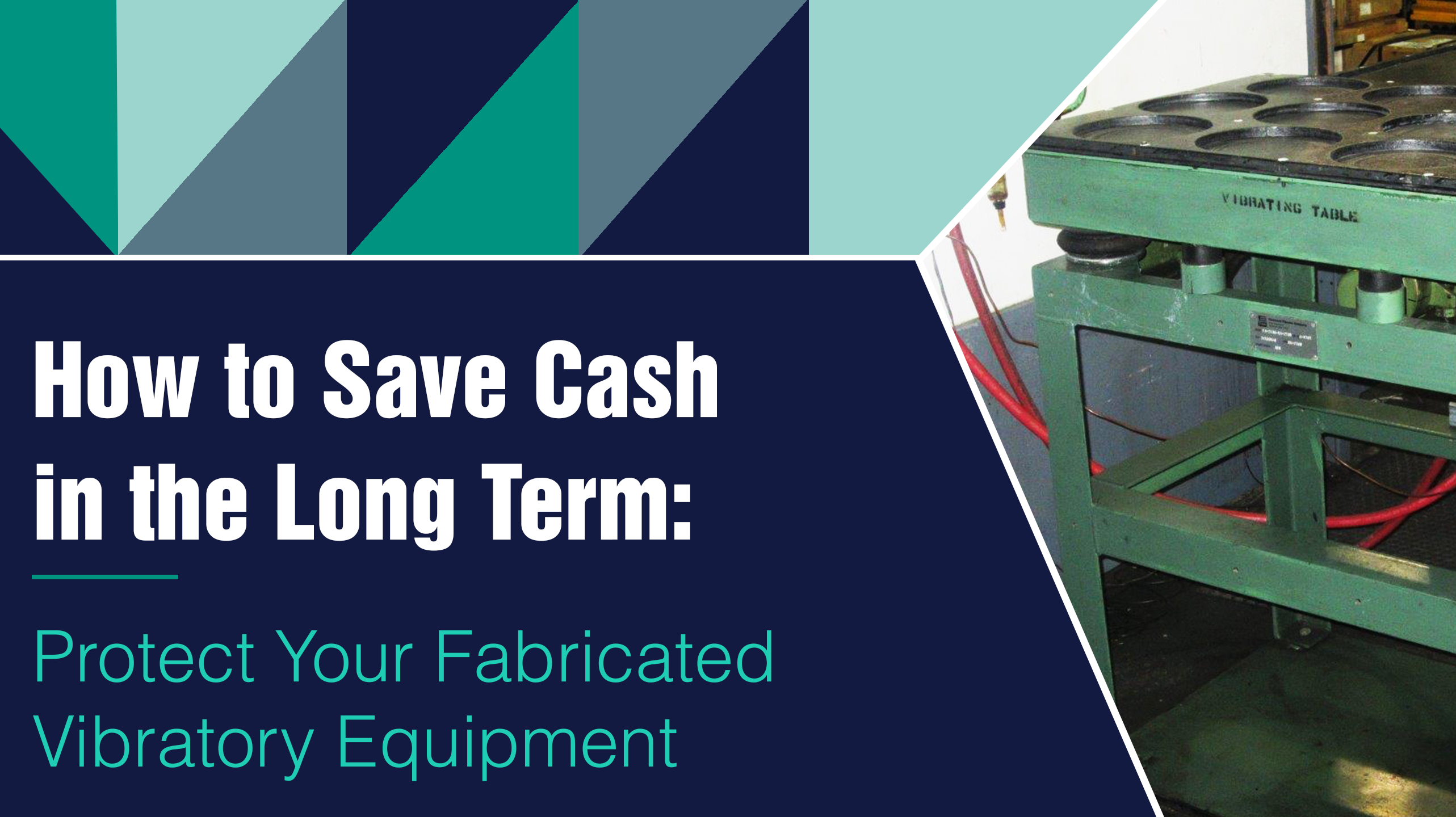
How to Save Cash in the Long Term: Protect Your Fabricated Vibratory Equipment

By Derek Stake

Great news! You decided to invest in customized fabricated vibratory equipment. Now itโ€™s installed, working great, and youโ€™re no longer dealing with costly, time-consuming material flow problems.  

Whatโ€™s next? 

If you have worked with equipment in the past, you know that purchasing and installation is half of the battle. Whether youโ€™re working with a vibratory feederscreenertable, or any of our vibratory equipment options, maintenance is crucial to protect your investment long term. Thatโ€™s why our team of experts is here to make this process easy! We compiled the list below so you know what to inspect, how often to inspect it, and what type of damage to look for when conducting regular equipment checks. โ€ฏ 

Read More…
Share this blog post:
FacebooktwitterlinkedinmailFacebooktwitterlinkedinmail
Steve Chinn

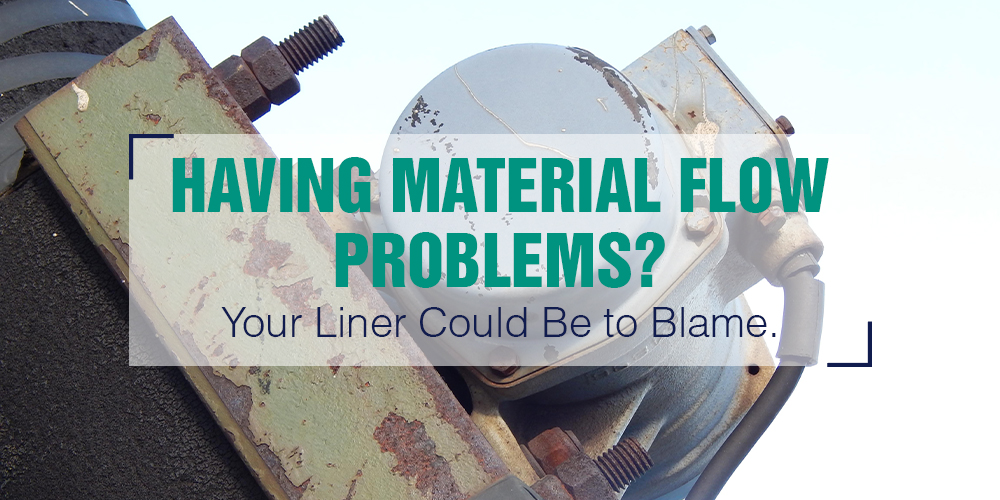
Having Material Flow Problems? โ€ฏYour Liner Could Be to Blame.

By Steve Chinn

Material flow problems are time-consuming, messy, expensive, and can even contribute to workplace hazards. The tricky part? Many problems can slow down your production processes, such as applying the wrong vibration force and frequency for the application, issues with the installation of the vibratory flow aid, and even the size and style of the liner applied to the inside of your bin, hopper, chute, or pipe. 

That was the case with a customer who wanted to apply vibration to theirย ยผโ€ thick wallย chutesย for sand processing. Previously, they manually cleaned their chutes with a garden hoe leading to unnecessary employee injuries, equipment damage, and production downtime. Knowing they have liners installed, we asked three important questions:ย 

Read More…
Share this blog post:
FacebooktwitterlinkedinmailFacebooktwitterlinkedinmail
Craig Macklin

5 Cool Industrial Vibrator Applications in 2020

By Craig Macklin

Industrial Vibrators and Vibratory Equipment can be used for so many different purposes that we never get bored working on customer inquiries to help them.  We get to work across dozens of industries with hundreds of material types and countless unique conditions, requirements, and problems.  So, it is fun to reflect on applications and problems weโ€™ve solved near the end of a year.  This posting is just that, a moment of reflection and sharing.  Enjoy!! 

Read More…
Share this blog post:
FacebooktwitterlinkedinmailFacebooktwitterlinkedinmail
Jack Steinbuch

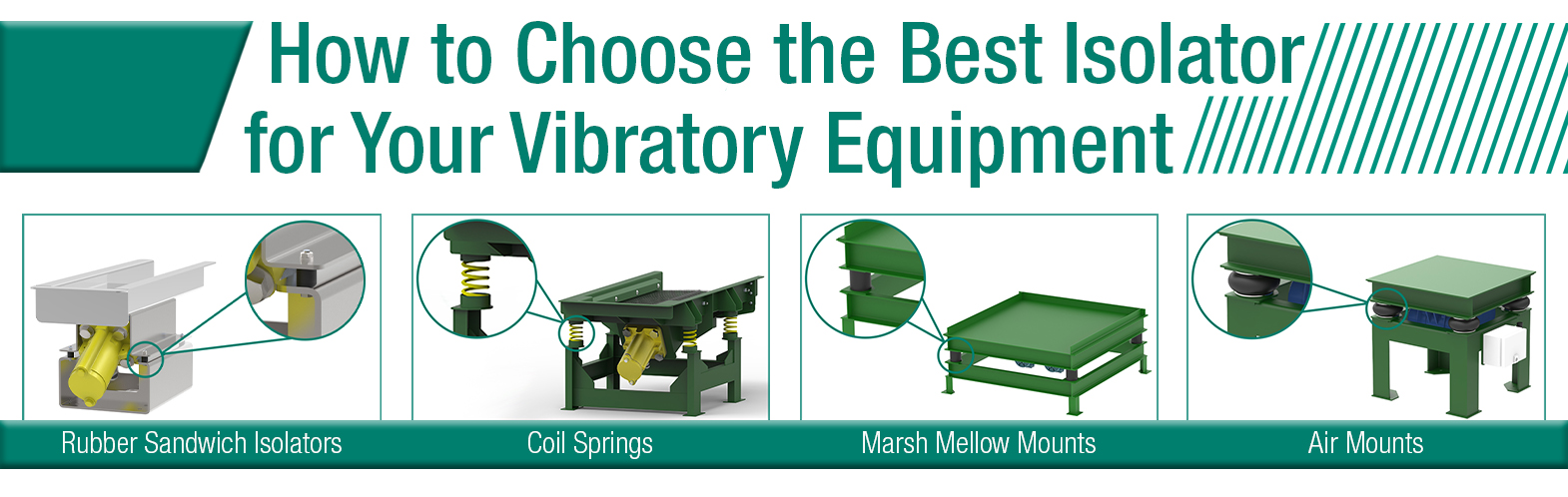
How to Choose the Best Isolator for Your Vibratory Equipment

By Jack Steinbuch

Here at The Cleveland Vibrator Company, we’ve committed ourselves to providing the best solution to your material flow problems for over 95 years. We like to say,ย sometimes “off-the-shelf” is just plain “off,” which is why our goal is to build a tailor-made solution to fit perfectly into your operation andย application. Whether you need specific dimensions to fit aย vibratory tableย into your existing process, requireย vibratory screenย deblinding technologies, or have particular isolators you would like on yourย vibratory feeder; we offerย design flexibility for our fabricated equipmentย to fit your application.

Read More…
Share this blog post:
FacebooktwitterlinkedinmailFacebooktwitterlinkedinmail
Avatar

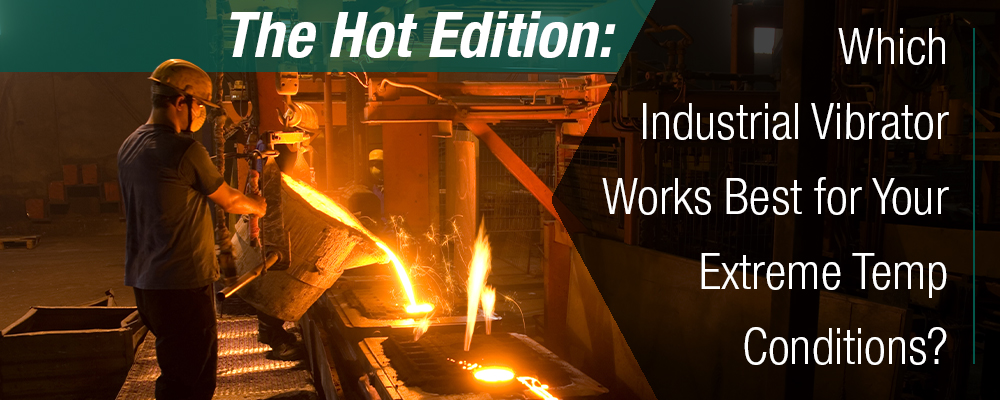
Which Industrial Vibrator Works Best for Your Extreme Temp Conditions?

By Cleveland Vibrator Team

Casting facilities pour molten metals into molds that require vibration to enable material flow and release air from the molten metal during the cooling process. Hot Forging Facilities feed metal ranging from 800 degrees Fahrenheit to 2200 degrees Fahrenheit, depending on the material they’re producing which may require vibration for their transfer chutes. These are just a few examples of material flow locations that vibration can be used within these facilities.

What is the one thing these applications have in common? Heat.

Read More…
Share this blog post:
FacebooktwitterlinkedinmailFacebooktwitterlinkedinmail
Mike Stratis

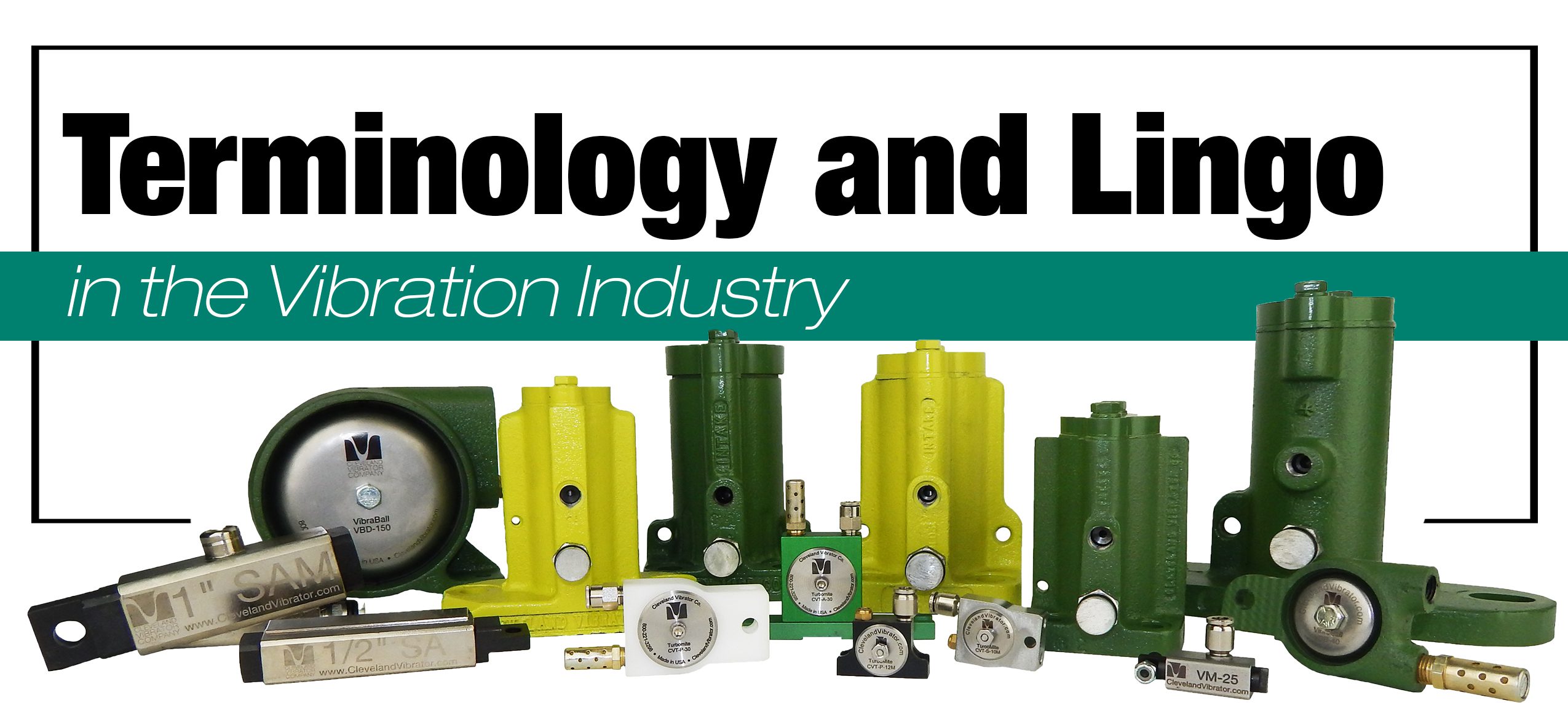
Does Industrial Vibrator Jargon Get You Down? The Vibration Experts Got You Covered!

By Mike Stratis

When it comes to terminology and lingo within the vibration industry, many times there are multiple names for the same piece of equipment. We will review what those are and explain what they mean.

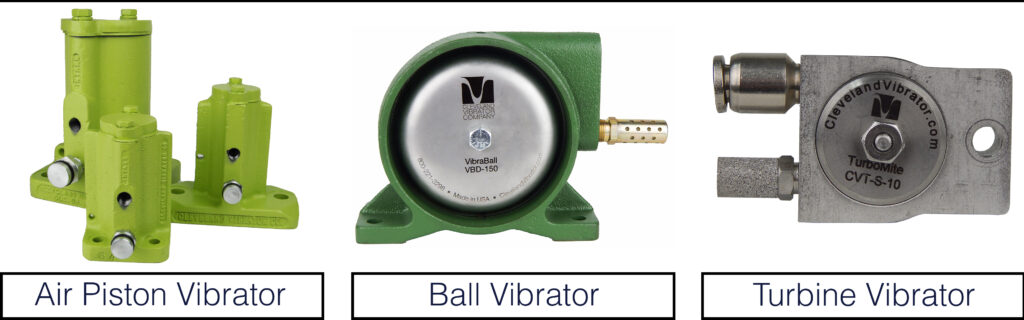
Bin or hopper vibrators have many subcategories of vibrator types, just within this single product line itself. Letโ€™s break it down.

Figure 1

Air vibrator or pneumatic vibrators can be the following:

  • Piston type
  • Ball type
  • Turbine type
Read More…
Share this blog post:
FacebooktwitterlinkedinmailFacebooktwitterlinkedinmail
Steve Chinn

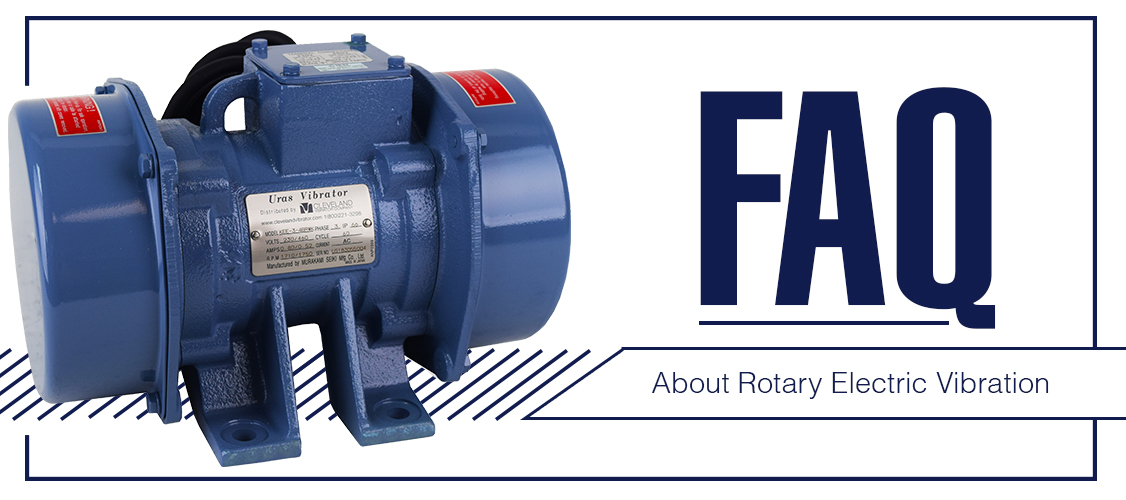
Frequently Asked Questions About Rotary Electric Vibration

By Steve Chinn

In 1923, The Cleveland Vibrator Company began its journey in the exciting world of industrial vibration, specifically the use of pneumatic powered options for foundry applications. As we ventured into other industries, we noticed a new trend: the demand for electric-powered motors.

Soon after, we decided it was time to explore this exciting new opportunity and set out to find a partner specializing in electric-powered vibration. We eventually partnered with an outside company to supply this demand from our customer base. As with any new venture, we experienced a few hiccups along the way; lead times were too long, insufficient force options available, and the lack of “Cleveland Vibrator Quality” our customers came to expect.

Read More…
Share this blog post:

FacebooktwitterlinkedinmailFacebooktwitterlinkedinmail
Jack Steinbuch

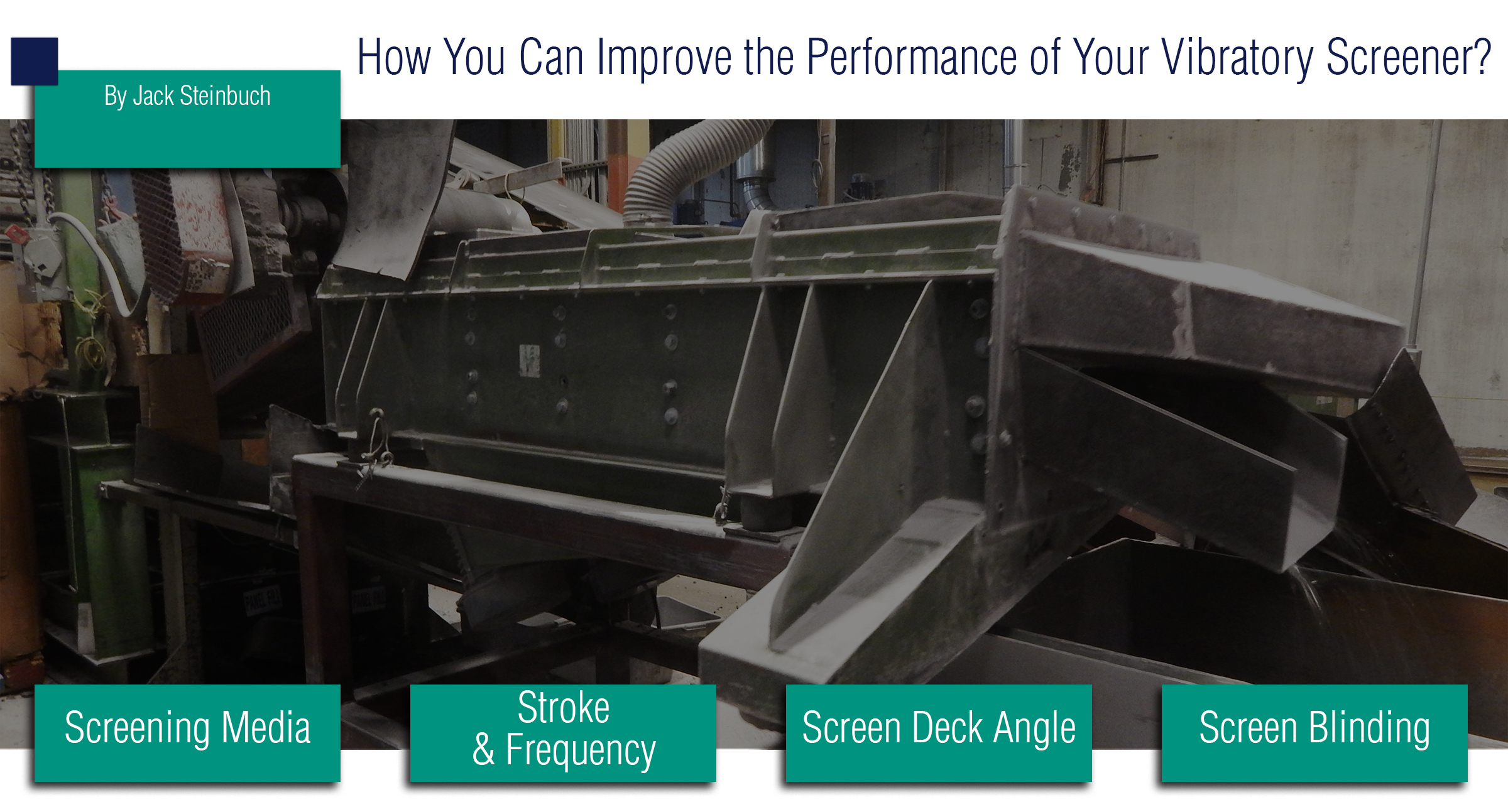
How You Can Improve the Performance of Your Vibratory Screener?

By Jack Steinbuch

We can all agree that the improvement of the performance of any production equipment is a good idea.ย  That being said, we first need to establish the definition of the performance of a screener.ย  I will go with any means to improve the screening efficiency to gain as much of the desired product with the least amount of contamination.ย  We will make the assumption that the correct screener has been selected for the application, so now we will look for ways to improve its performance.

Read More…
Share this blog post:
FacebooktwitterlinkedinmailFacebooktwitterlinkedinmail
1 2 3 4 5 18  Scroll to top